

Also known as: Perold’s Hermitage x Pinot
Table of Contents
Primary Flavors
- Black Cherry
- Blackberry
- Fig
- Mint
- Game
Taste Profile
South Africa’s Pinotage is a chameleon, offering a spectrum of styles from youthful, fruit-forward notes to robust, age-worthy expressions. Despite its initial reputation for rubber-like aromas, top-tier examples truly shine, showcasing the grape’s potential for finesse and complexity.
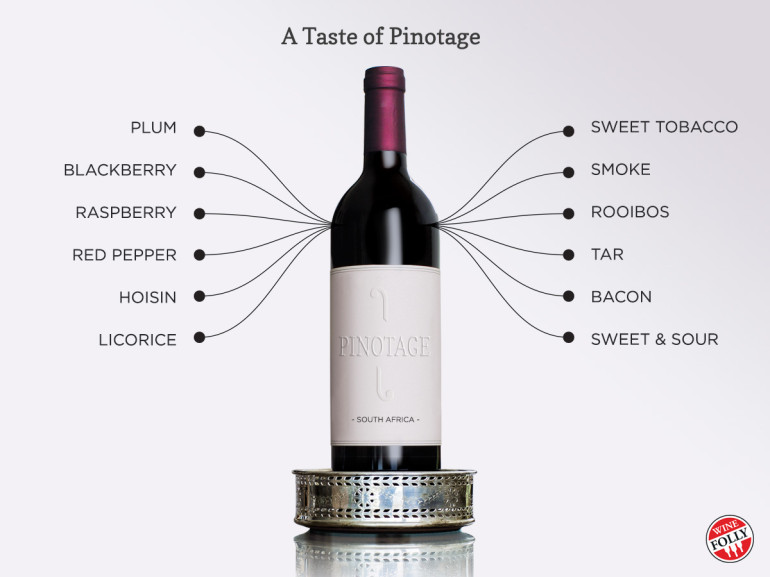
On the nose, Pinotage unveils a vibrant array of fresh red fruits in cooler climates, evolving into jammy dark fruits in warmer regions. Oak-aged bottles can introduce layers of vanilla and spice, while aged expressions may yield deeper hints of leather, smoked meat, and chocolate.
On the palate, Pinotage can be full-bodied and tannic.In warmer climates, Pinotage can show riper fruit, higher alcohol and a fuller body, with tannins that may feel softer and more polished when the grapes reach good phenolic ripeness.
How to Serve Pinotage Wine
Serve Pinotage at cellar temperature, between 60-68°F (15-20°C), to best amplify its aromas without highlighting the alcohol. A universal wine glass is ideal, promoting aeration and enhancing the bouquet. Decant for up to an hour to encourage aeration and help the wine open up.
Over time, it will develop captivating complexity, with ripe plum, leather, and chocolate notes. Many well-made examples can develop over 5–10 years, while exceptional bottles can evolve for 15 years or more.
SERVE
60–68°F / 15-20°C
GLASS TYPE
Universal
DECANT
1 Hour
CELLAR
10+ Years
Pinotage Food Pairing
Pinotage pairs well with a variety of dishes. Consider pairing easy-drinking versions with pepperoni pizza or a hearty beef stew. If the one in your glass has more earthy undertones, try it with roasted duck or a rich mushroom risotto.
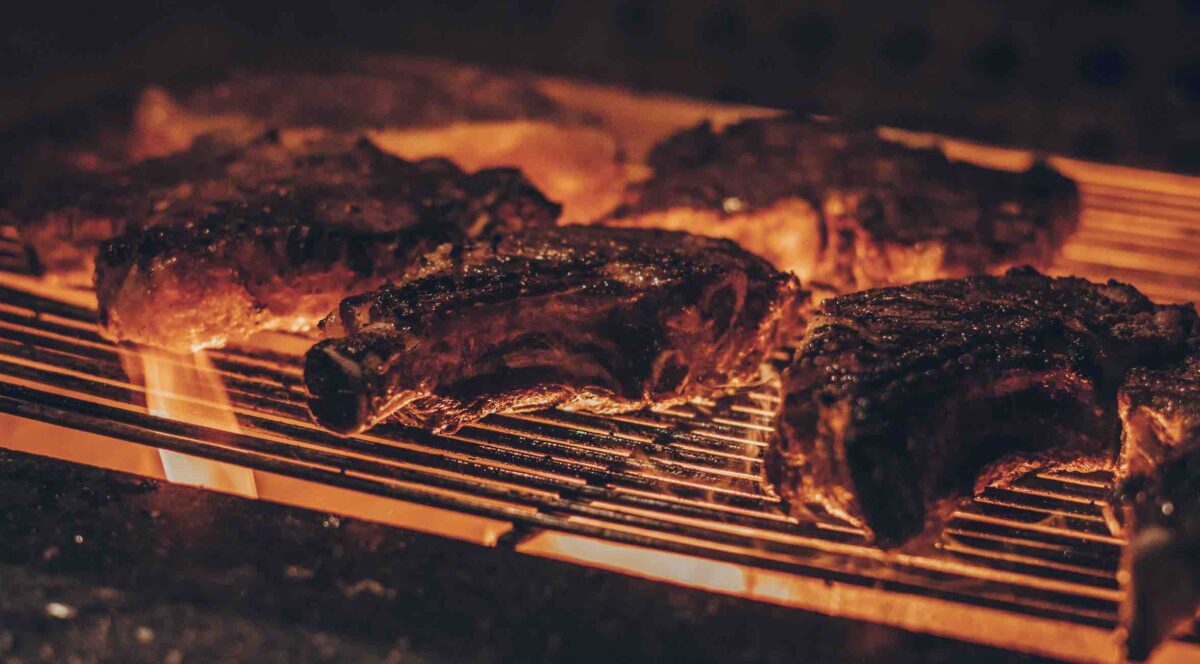
For a full-bodied, mature Pinotage, robust dishes like braised short ribs or a pepper-crusted steak make excellent partners. When in doubt, its smoky nuances make it a perfect pairing with barbecue.
5 Fun Facts About Pinotage
- Pinotage is a Pinot Noir and Cinsault cross created in the 1920s, with the resulting seeds planted in 1925.
- Pinotage was almost lost to history; only four seeds resulted from the original crossing and were nearly thrown away before being rescued.
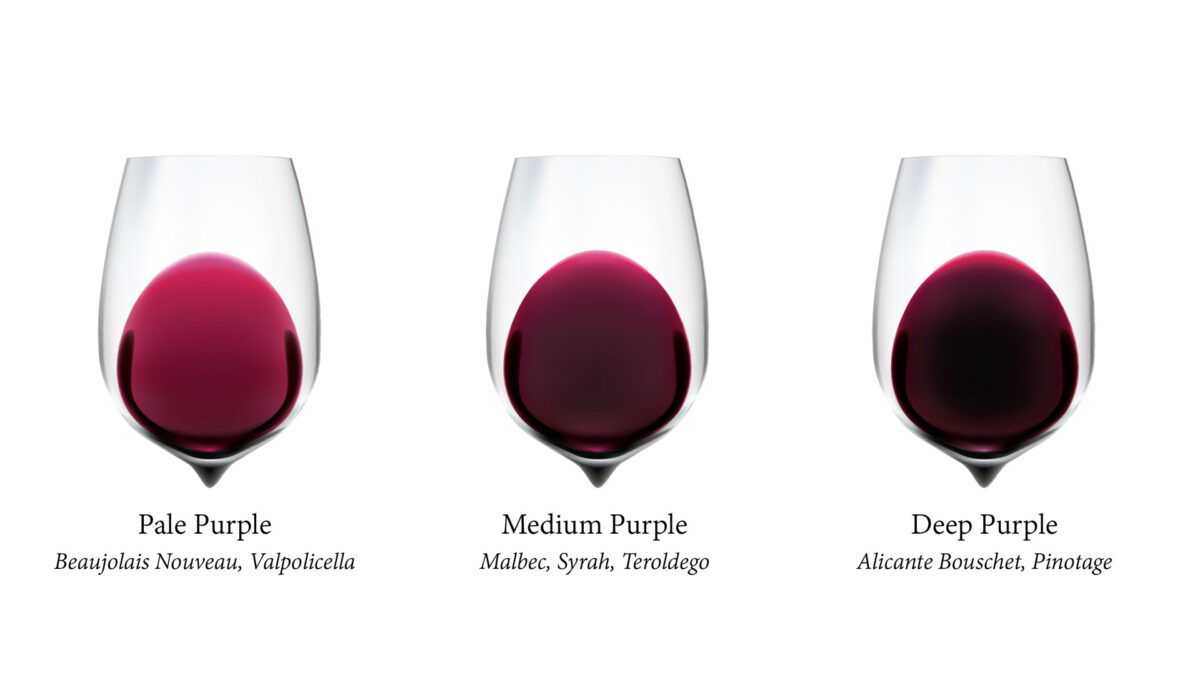
- Although Pinot Noir and Cinsault generally produce lighter-colored, less tannic wines, Pinotage produces deeply colored wines with substantial tannin.
- Pinotage’s “burnt rubber” aroma can result from specific winemaking techniques, but modern practices have minimized this trait.
- Every year on the second Saturday of October, South Africa celebrates International Pinotage Day.

Where it Grows
South Africa’s signature grape, Pinotage, largely remains rooted in its homeland, where it accounts for less than 10% of the total plantings. Despite its lack of travel and checkered reputation, the grape enjoys a devoted fan base worldwide, thanks to its complexity and depth of flavor when made right.
- South Africa: 17,426 acres (7,052 hectares)
- New Zealand: 94 acres (38 hectares)
- USA: 50 acres (20 hectares)
Total Vineyard Area: 17,624 acres (7,132 hectares) (data from the University of Adelaide, 2021)

South Africa
What to expect: Pinotage produces deeply colored tannic wines with ripe red and black fruit flavors similar to Syrah, but you can also find lighter versions that are closer to Pinot Noir in style too.
You’ll almost always find a nice mixture of fruit-forwardness and earthy, smoky tones. Age-worthy examples often have coffee, vanilla, and toast aromas from barrel aging. Pinotage performs particularly well in warm, Mediterranean climates, including Stellenbosch and Paarl.
Stellenbosch benefits from diverse soils and microclimates, and Pinotage thrives in the warmest sub-regions, such as Simonsberg. Expect rich flavors of ripe dark fruit and hints of chocolate, coffee, and spice. Versions from Stellenbosch are full-bodied with well-integrated tannins and age well.
Paarl’s warmer climate is perfect for Pinotage. Expect intense fruit flavors like black cherry and raspberry, with a touch of earthiness. Velvety texture, balanced acidity, and a lingering finish are common.
In-Depth Knowledge
Take a deep dive into understanding the complex nature of Pinotage.
A Short History – The South African Grape
Pinotage is a grape cross between Cinsault and Pinot Noir. It was first crossed in South Africa in 1925 in the gardens of scientist Abraham Perold. Perold sought to combine the desirable qualities of Pinot Noir with the adaptability and productivity of Cinsault (aka Hermitage). Perold’s goal was to create a wine that was as delicious as Pinot Noir but could handle the South African climate as well as Cinsault.
Unexpected Results: A Very Dark Grape
The result of the crossing between Cinsault and Pinot Noir was unexpected. The grapes were unusually dark, producing wines with deep color and substantial tannin — nothing like its progenitors. Despite the difference in flavor, Pinotage could soak up the South African sun and produce high yields, which appealed to growers. However, this hurt the grape’s reputation.
Pinotage Used to Have a Bad Reputation
Since Pinotage is such a productive wine grape, producers often made very low-quality commercial wine with it. It didn’t help that it was such an inky grape, which led some wineries to stretch the wine very thin. Over time, winemakers developed a better understanding of how vineyard management and fermentation practices could influence Pinotage’s more challenging aromas.
The grape’s biggest challenge was developing paint- or rubber-like aromas if not grown or vinified carefully. Managing yields and vine water status, selecting appropriate clones, and controlling fermentation temperatures can help reduce these funky, rubbery aromas.