

Table of Contents
Primary Flavors
- Meyer Lemon
- Peach
- Rose Petal
- Geranium
- Citrus Zest
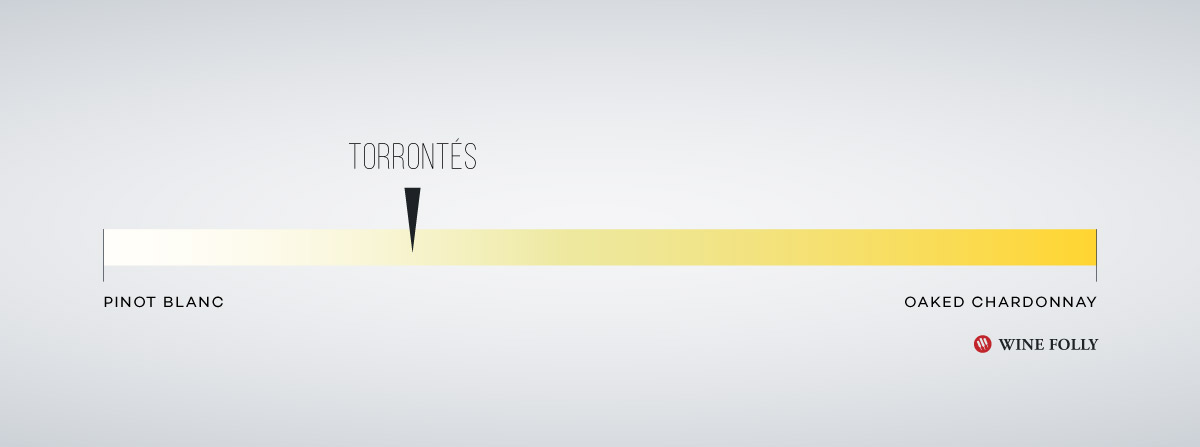
Taste Profile
Handling
SERVE
38–45°F / 3-7°C
GLASS TYPE
White
DECANT
No
CELLAR
3–5 Years
Food Pairing
Even though Torrontés smells sweet, it’s usually quite dry, making it a great match with savory dishes that feature exotic spices, fruit, and aromatic herbs.

With its light aromatic style and cool serving temperature, Torrontés is an excellent match with the foods of the spice route (Indian and Asian). It pairs well with coconut curries and Thai-spiced peanut dishes. In terms of intensity of flavor, opt for lighter proteins such as poultry, fish, and tofu, as they won’t overwhelm the wine’s delicate flavor, aroma, and acidity.
Examples
- Meat
- Chicken Satay, Roast Chicken, Glazed Tofu, Teriyaki Seitan, Curried Shrimp, Pork Chops, Chinese Barbecue Pork
- Cheese
- Feta, Gruyère, Swiss Cheese, Paneer, Pecorino, Asiago, Manchego
- Herb/Spice
- Cilantro, Thai Basil, Mint, Shiso, Parsley, Chives, Sichuan Pepper, Ginger, Shallot, Cayenne Pepper, Turmeric, Ajwain, Garam Masala, Coriander, Cumin, Lemon, Hot Sauce
- Vegetable
- Butternut Squash, Summer Squash, Yam, Potato, Cucumber, Carrot, Zucchini, Snap Peas, Radish, Red Pepper, Green Onion, Onion, Cauliflower, Fresh Grapes, Citrus Fruits, Coconut, Mango
Torrontés Wine from Argentina
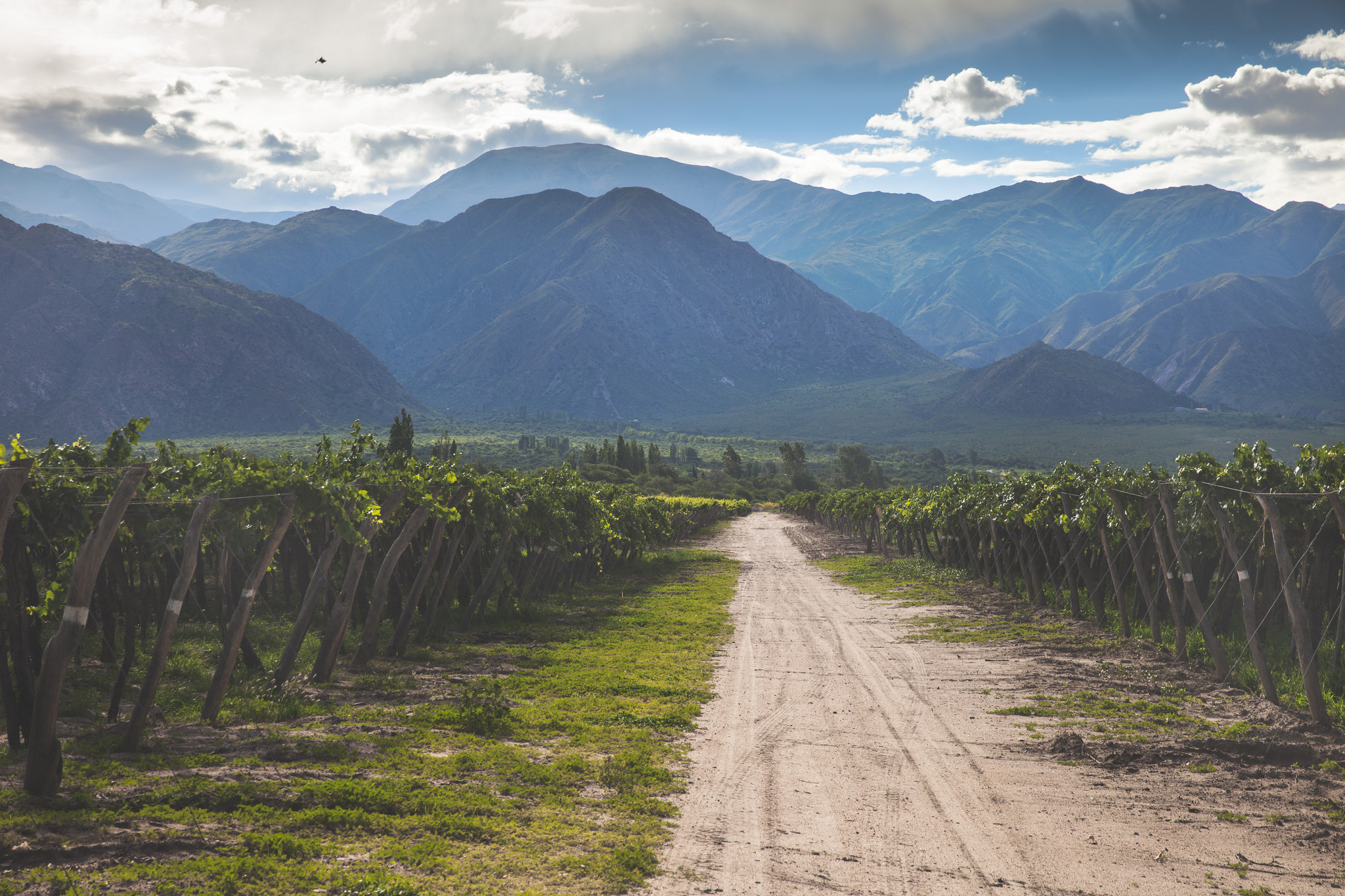
Torrontés is an aromatic white wine that originates from Argentina. The wine smells sweet, but it is usually made in a dry style. Some of the most distinctive versions come from high-elevation vineyards in Salta, particularly the Calchaquí Valleys. Find out more about this rare and special wine from South America.
The grape is similar to other aromatic white wines, such as Riesling and Muscat Blanc à Petits Grains (also known as Moscato Bianco or Muscat Canelli). The major difference is that Torrontés is commonly made in a dry style. This makes it a very interesting wine to enjoy because its salty, lean taste contrasts with its sweet, perfumed aromas.
- Expect To Spend
- $8–$14 for an excellent bottle of dry Torrontés wine.
- Similar Wines
- You’ll find Albariño and dry styles of Riesling and Muscat to be similar in aroma and taste to Torrontés.
Expert Torrontés Wine Intel
If you really get into this wine, you’ll learn that it refers to three genetically distinct grape varieties: Torrontés Riojano, Torrontés Sanjuanino, and Torrontés Mendocino. Genetic research shows that Torrontés Riojano and Torrontés Sanjuanino are natural crosses of Criolla Chica (also known as Mission or País) and Muscat of Alexandria. Torrontés Mendocino is also likely descended from Muscat of Alexandria, although its other parent has not been identified.
Of the three varieties, the most popular (and expressive) is the Riojano grape, which is particularly important in the high-elevation vineyards of Salta, especially around Cafayate. Mendoza and La Rioja also produce significant amounts of Torrontés, along with the other varieties, including Sanjuanino and Torrontés Mendocino. These wines tend to be simpler in aroma and flavor and are often made in a sweet style.