

Barossa Valley may be famous for blockbuster Shiraz, but South Australia has far more to offer than bold reds and endless sunshine. Here’s why Barossa (and the rest of South Australia’s wine regions) deserve a closer look.
If your only encounter with Australian wine came from a bargain-bin Shiraz at a backyard BBQ, you’re overdue for a second impression. South Australia is home to some of the world’s oldest vines, dramatically different climates, and wines built to age.
“If you love Syrah, crave Cabernet or bold white wines, South Australia has you covered.”

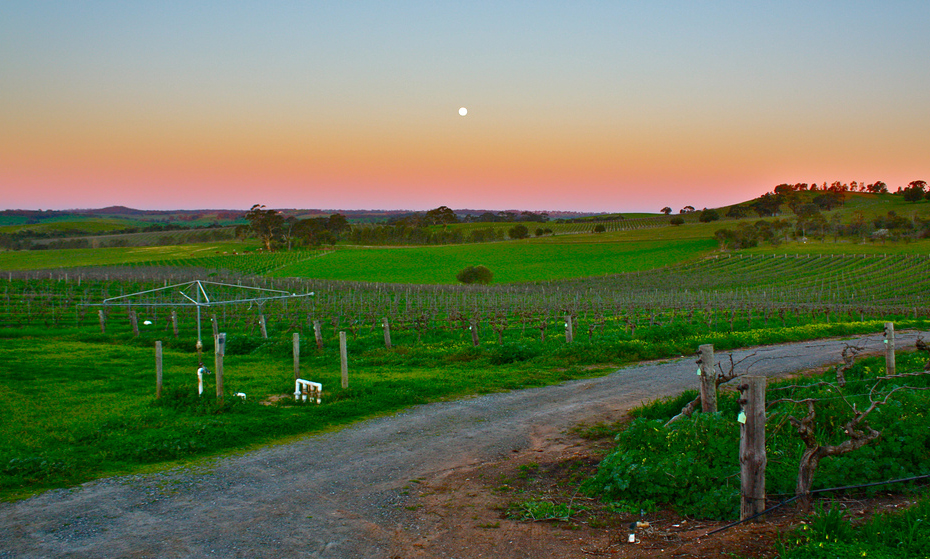
Barossa
Stunningly complex Shiraz, GSM blends, lush white wines (Chardonnay, Semillon, Viognier), and elegant, dry Riesling come from Barossa.
Sub-regions of Interest: Barossa Valley, Eden Valley
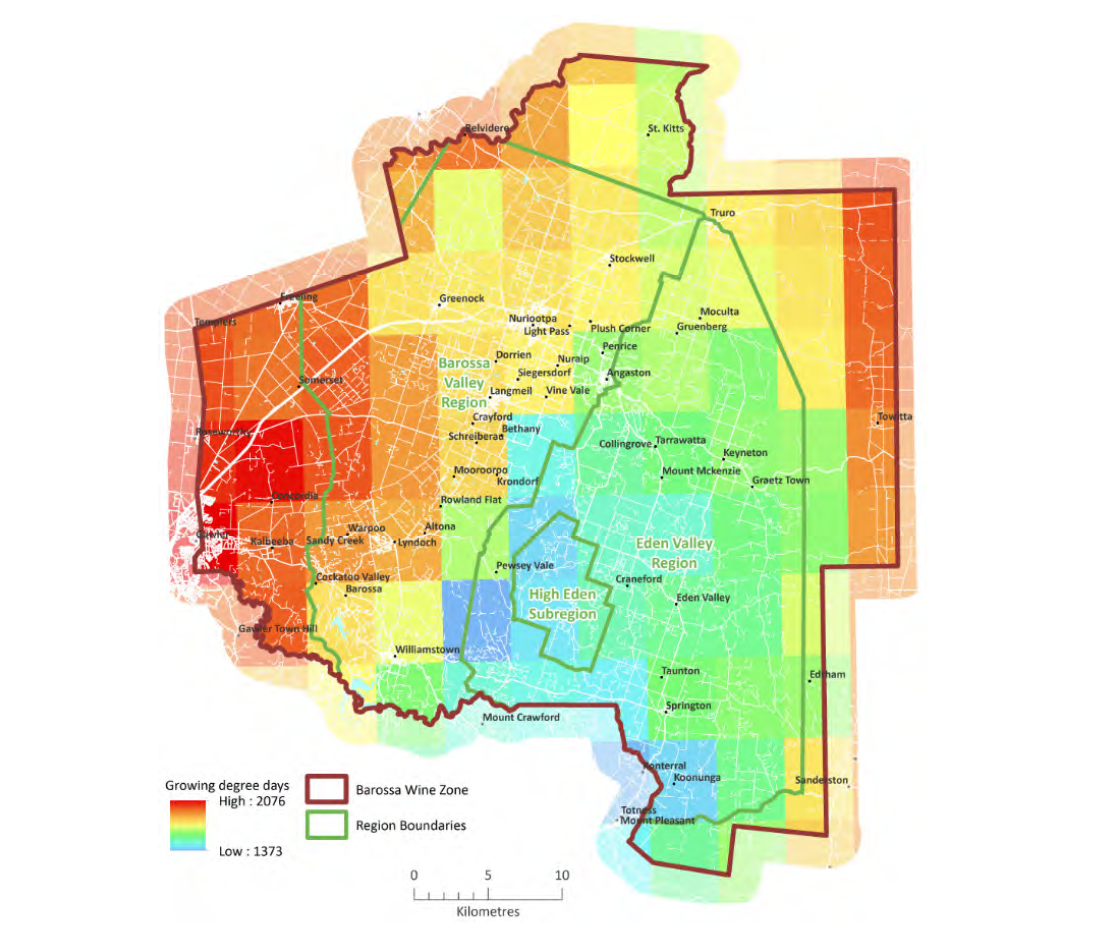
Barossa is one of Australia’s oldest and best-known wine regions. It is the larger, overarching area for two subregions (Geographical Indications or “GIs” for short): Barossa Valley and Eden Valley. Despite their proximity to each other, these two areas produce recognizably different styles of wines.
Barossa Valley
Shiraz from Barossa Valley tends to deliver some of the most powerful, flavorful wines in Australia and worldwide. The typical Barossa Valley Shiraz profile centers around intensely ripe blackberry, dried currant, mocha aromas, generous tobacco notes, and an earthiness similar to smelling a wet red clay pot.
Often, these wines have significant meaty (e.g., beef broth, beef jerky) and black pepper aromas. The fruit flavors are big. Tannins are generally grippy but fine-grained and powdery rather than chapping or harsh.
Thanks to South Australia’s warm, sunny climate, alcohol levels often start around 14–15% ABV and climb higher. Despite the intense fruitiness of these wines, the highest quality wines from Barossa Valley are known to develop positively for decades.
While Shiraz is the mainstay of this region, you’ll discover that GSM blends and Shiraz-Cabernet blends are quite popular and generally high in quality. Wineries often blend varieties to build layers of flavor, texture, and structure.
Eden Valley
Eden Valley (including its subregion, High Eden) is in a chain of hills called the Mount Lofty Ranges, east of Barossa Valley. The increase in elevation makes Eden a distinctly cooler climate, leading to wines with a tart and intense acidity. Acidity is an important trait for aging potential in wines, which is why some of the most age-worthy Barossa wines are from Eden Valley (or have Eden Valley fruit blended in). The wines often reward patience, so don’t expect every bottle to be at its best when it’s young.
Shiraz from this area is slightly more elegant (with increased acidity) and has a more delicate fruit profile overall. One of Australia’s most famous single-vineyard wines, Henschke’s Hill of Grace, is made here. Much of Barossa’s white wine production comes from Eden Valley, including a lean, acid-driven style of dry Riesling and high-quality but lush Old World white grapes.
Mount Lofty Ranges
Stately, rich white wines of Chardonnay and Sauvignon Blanc, dry and floral Riesling, and elegant, earthy red wines of Cabernet Sauvignon.
Regions of Interest: Adelaide Hills, Clare Valley
Adelaide Hills
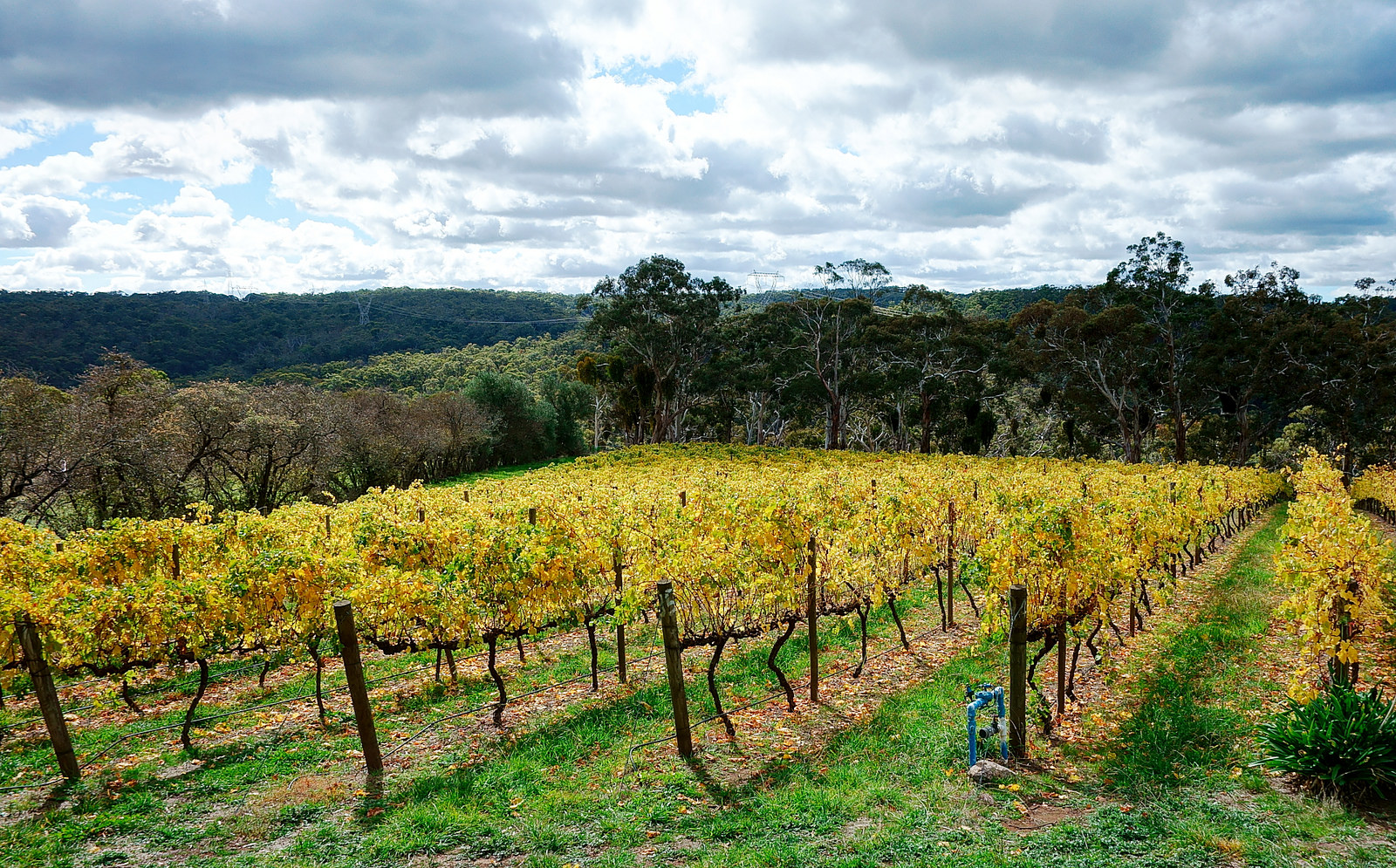
Adelaide Hills is one of the most striking regions to visit in South Australia (and they know it). The roads wind through gentle, rolling hills, revealing large sheep-covered meadows and beautifully sloping vineyards. The region is cooler than Barossa; so you’ll find a prevalence of white and red wines that focus on elegance and more savory flavors.
The Adelaide Hills produces many oak-aged white wines, including elegant, complex examples of Chardonnay and Sauvignon Blanc. Many mass-produced, stainless-steel-raised wines exist, but these are generally more everyday drinking than the best rich-style wines.
Clare Valley
Clare Valley is entirely detached from the rest of the Mount Lofty Ranges GIs. The Clare arguably produces some of the finest dry Riesling in Australia, especially from the famous sites like Watervale and Polish Hill River.
Though best known for Riesling, Clare Valley also produces outstanding, elegant, complex, savory, and fruity Cabernet Sauvignon and Cabernet Sauvignon-Merlot blends. Mature examples often show beautifully balanced fruit alongside notes of tobacco and dried herbs, with plenty of life still ahead of them.
Fleurieu
Rich, fudgy Shiraz and Cabernet with savory notes of scorched earth.
Regions of Interest: McLaren Vale, Langhorne Creek
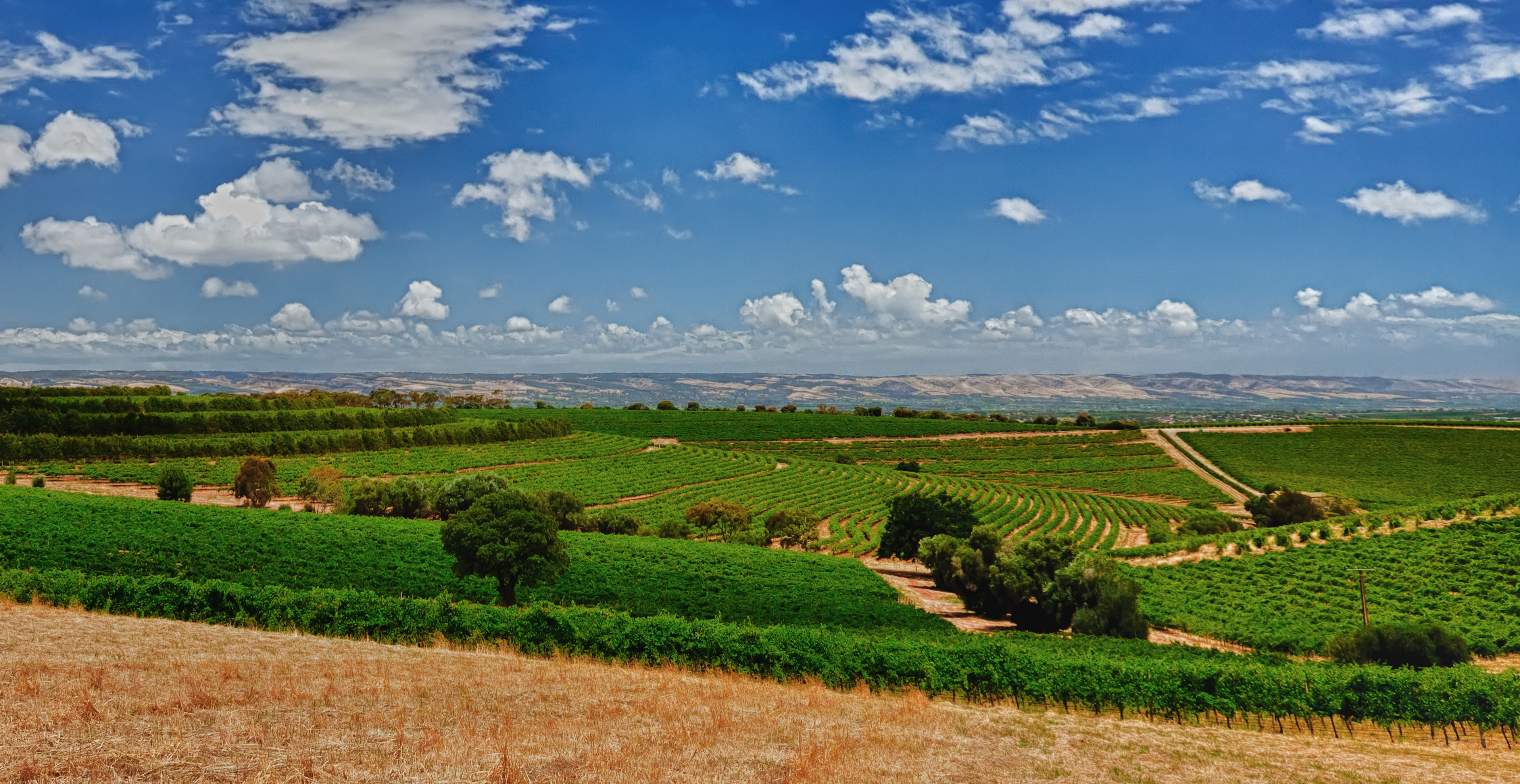
The dry oak-covered hills of Paso Robles are to Napa Valley as the southern hot rolling hills of Fleurieu are to Barossa. Fleurieu focuses primarily on Shiraz in the rolling hills around McLaren Vale and Cabernet Sauvignon in flats around Langhorne Creek (although both regions grow both grape styles quite successfully).
The increase in temperature as you drive into Fleurieu is noticeable, and the wines become darker and richer. Intense, savory notes lace these wines: licorice, roast meat flavors, mocha, graphite, and exotic spices. The alcohol levels can get naturally high, around 15–16% ABV, so be sure to give these wines plenty of air in the glass. You’ll find it hard to resist a second pour if you like rich, flavorful wines.

South Australia wouldn’t be the amazing region it is today had it not been for a scourge (phylloxera) which decimated the fledgling wine industry in Victoria (around Melbourne) in the late 1800s. The disease’s spread to South Australia was limited. As a result, South Australia has some of the oldest continually producing vineyards on the planet, some with planting dates in the mid-19th century. Strict quarantine measures continue to help protect these historic vineyards today. If you plan to travel there, be sure to clean your shoes well or take them off when you’re in the vineyard!
Limestone Coast
Black-fruit-driven, Tobacco-laced Cabernet with mint and spice.
Regions of Interest: Coonawarra, Wrattonbully, Padthaway
Limestone Coast’s name comes from sediments deposited by an ancient inland sea. This formed the chalky white bedrock of the region, which was slowly covered with iron-rich clay soils, garnering the name “Terra Rossa” for its red color (You’ll understand why locals avoid white shoes.)
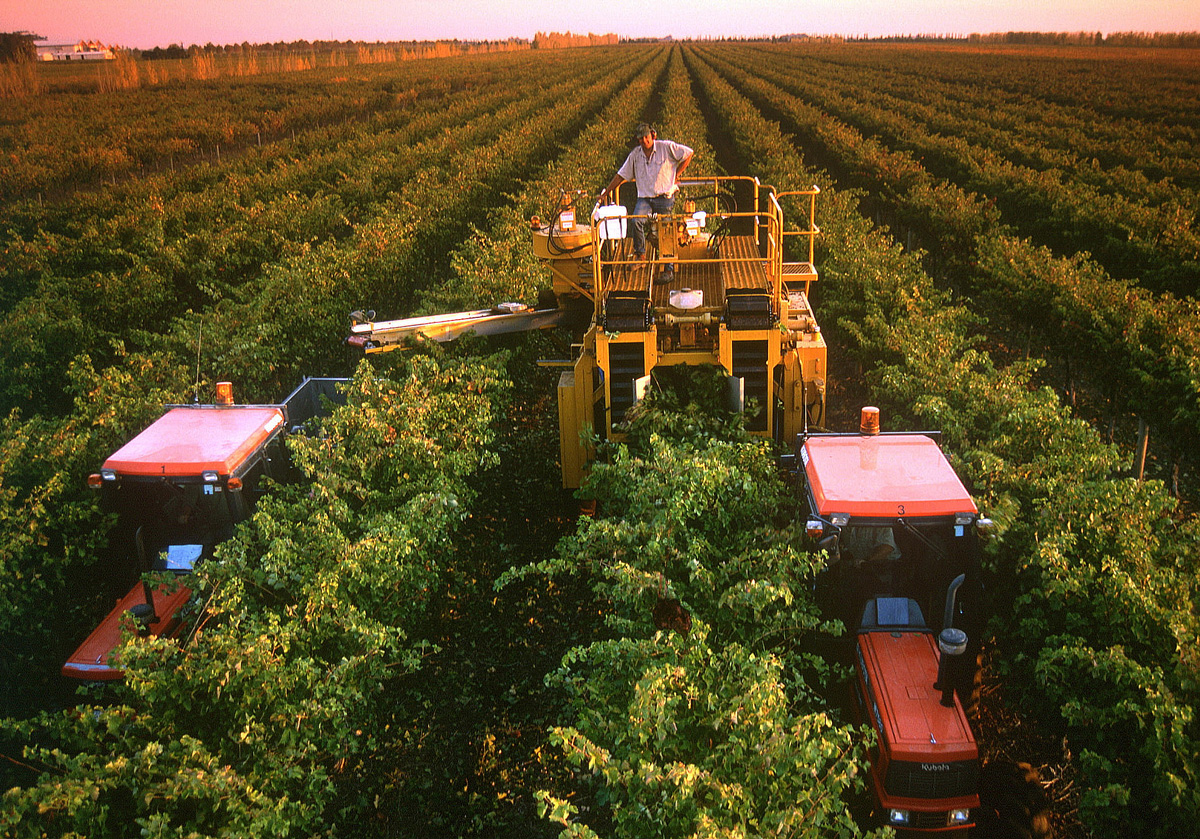
Cabernet-based wines from the region offer black and red fruit flavors with tobacco and a savory leafy, minty note. While most of the wines from the area are pretty affordable (through mechanization), some producers hand-harvest their Cabernet vines and produce some of the most respected Cabernet in Australia, especially from Coonawarra.

Riverland
Smoky, sweet-tobacco Shiraz and Cabernet wines for everyday drinking.
By volume, the Riverland GI produces the majority of South Australia’s wine grapes by volume. Most grapes that grow in Riverland go into the most affordable wine labels. Riverland doesn’t chase prestige; it focuses on producing reliable, affordable wine at scale. The better wines from the area are the reds (including Shiraz and Cabernet), and while a wealth of Chardonnay is planted in Riverland, most are quite big-boned and very low in natural acid.
Southern Flinders Ranges
High-desert style red-fruit-driven, juicy red wines of Syrah, Sangiovese, Grenache, and Tempranillo.
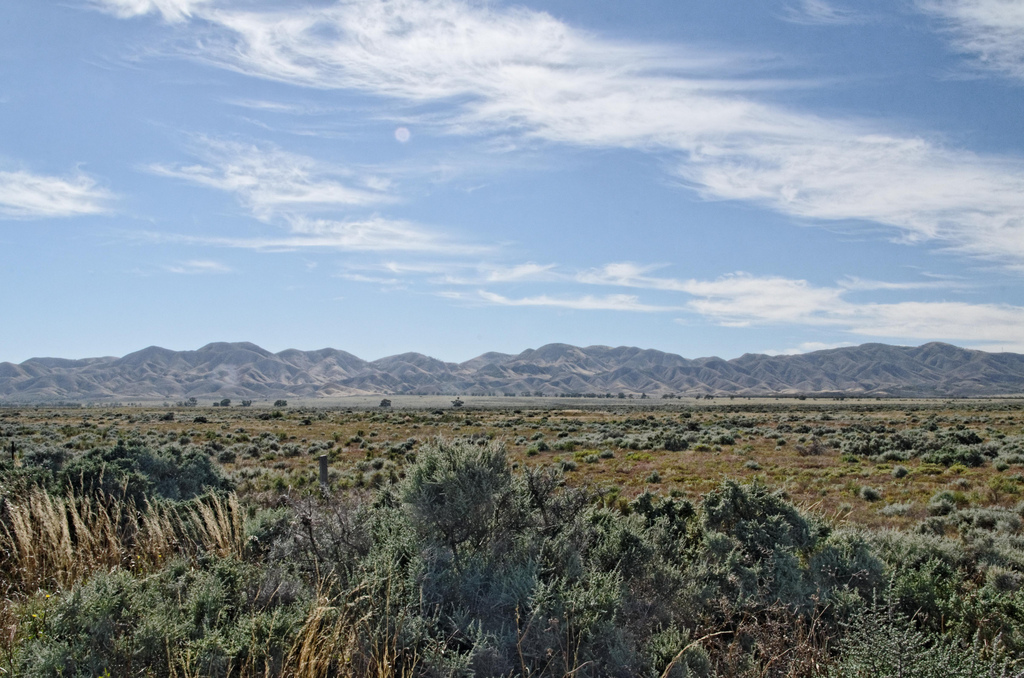
In 1865, surveyor George Goyder identified a line beyond which reliable cropping became difficult because of low rainfall. Goyder’s line also marks the upper reach of the Southern Flinders Ranges GI. Above this line, Australia’s interior is too dry (and hot) to grow anything.
Wineries in SFR are sparse and rely on elevation and the durability of desert-climate grape varieties to create their distinctive wines. All of this is to say, they remain relatively uncommon in the United States. Oddly enough, despite the region’s dryness, the climate is a little less hot overall (because of cool, higher-altitude nights), and wines are typically harvested later in the season. For this reason, you’ll find them to have generous fruit backed by naturally bright acidity.
While the area is known for Cabernet and Syrah (like all of South Australia), the other more drought-tolerant varieties of Sangiovese and Tempranillo are increasingly worth seeking out.
Last Word on South Australia
Today’s drinkers often seek freshness, balance, and site expression alongside power, and South Australia has responded with remarkable diversity.
Many classic producers continue to make bold, full-on reds. Still, a new wave of producers is focusing on South Australia’s other potentials: vineyard-focused, low-intervention winemaking, alternative grape varieties, and are redefining what South Australian wine looks like today.