

Pinot Noir is famous for its red wines, but this thin-skinned grape can also produce white, rosé, and sparkling wines. How on earth is this possible? It all comes down to the winemaking methods and the production processes that determine this little grape’s fate.

`
White Pinot Noir
Cut open a Pinot Noir grape and you’ll find pale flesh beneath its dark skin. In most red grape varieties, the pigments that give red wine its color come from the skins, not the juice. To make a white wine from Pinot Noir, winemakers press the grapes and separate the juice from the skins before significant color extraction occurs.
To keep the wine pale, winemakers press the grapes promptly and limit skin contact. A pneumatic press uses controlled pressure to extract the juice while keeping contact with the skins and seeds brief. Depending on the grapes and pressing conditions, the juice may look pale straw or deeper gold before fermentation.


Red Pinot Noir
For red Pinot Noir, winemakers ferment the juice with the skins to extract color, flavor, and tannins. They may destem and crush the grapes first, or ferment whole clusters, depending on the style they want. Because Pinot Noir has relatively thin skins, winemakers carefully manage maceration to extract color, tannins, and flavor without overwhelming the wine.
Some winemakers ferment Pinot Noir with the stems still attached. This whole-cluster approach can add herbal aromas, spice, and a firmer tannic structure, depending on the ripeness of the stems and the winemaker’s approach.
Some winemakers include whole clusters or stems during fermentation to influence the wine’s tannin structure, texture, and aromatic profile. The results depend on the fruit and technique. Depending on extraction and the fruit, the finished wine may range from translucent ruby to a deeper garnet hue.


Rosé Pinot Noir
Rosé gets its color from brief contact with red grape skins. Winemakers control that contact time, along with pressing conditions, to achieve anything from pale salmon to vivid pink.
Some Pinot Noir rosé starts with crushed grapes and a short period of skin contact. The winemaker monitors the color, then drains or presses the juice away from the skins before fermentation finishes extracting too much pigment. Other producers press the grapes immediately, allowing only brief contact during pressing. Both methods can produce pale, fresh rosé, but the exact color and style depend on the grapes and the winemaker’s choices.


Sparkling Pinot Noir aka Blanc de Noirs
Pinot Noir plays a starring role in blanc de noirs wines, a white sparkling wine made from dark-skinned grapes. In Champagne, winemakers often use Pinot Noir on its own or blend it with Pinot Meunier to create wines with structure, red-fruit character, and freshness.
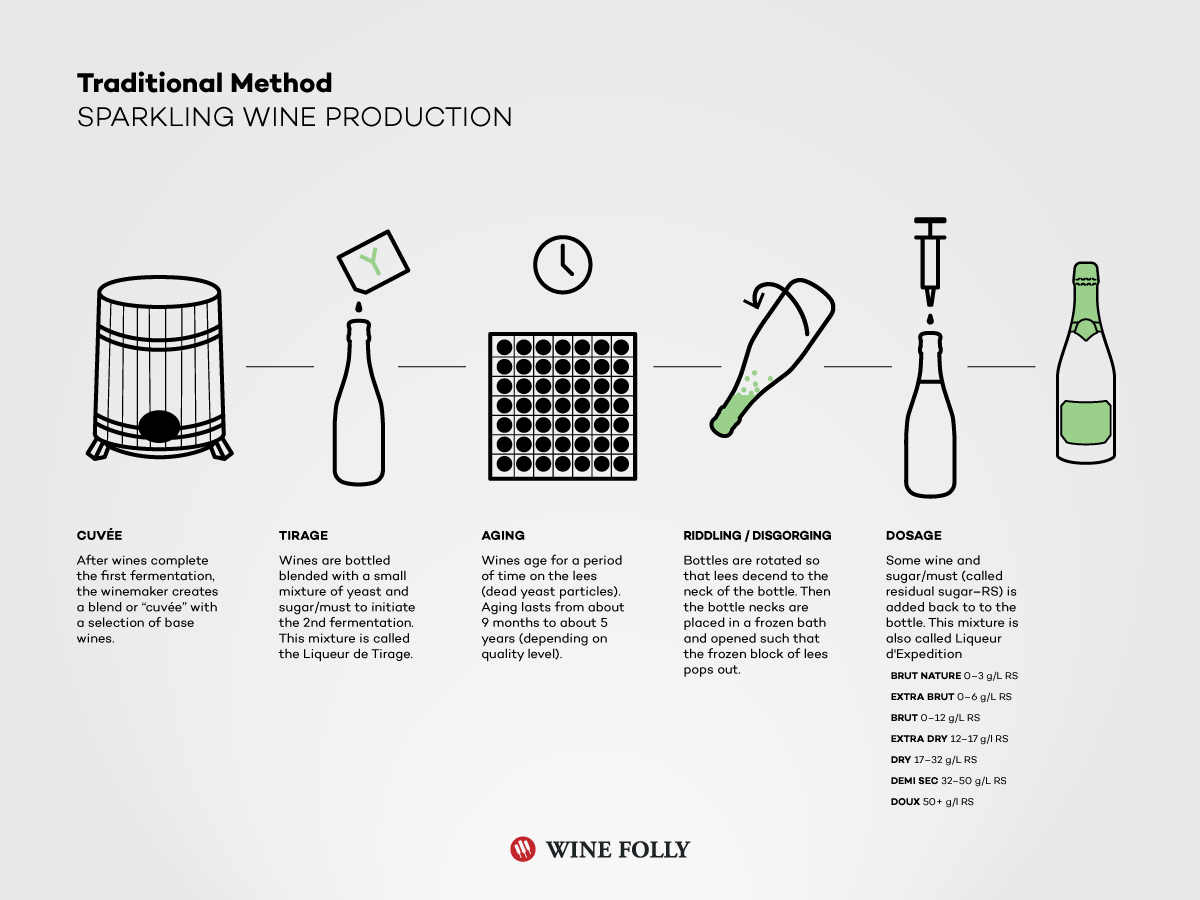
The traditional method gives Pinot Noir another transformation. Winemakers add yeast and sugar to a finished base wine, then seal it in a bottle for a second fermentation. The yeast produces carbon dioxide, which creates the bubbles. As the wine ages on its lees, it develops more texture and flavors that can range from brioche and toasted nuts to fresh apple and citrus.
Other Versatile Red Grapes
Pinot Noir isn’t the only red grape that can produce more than one style of wine. The results vary by grape: skin pigments, acidity, tannins, and the grape’s natural flavor profile all influence which styles work best.
Here are a few other grapes with thin skins that show great potential for making more than one wine style:
- Gamay
- Grenache
- Zinfandel
- Nebbiolo
- Mencía
- Sangiovese