

Puglia is where Italy’s sunshine turns into wine. Stretching along the heel of the Italian boot, this warm, dry region is a powerhouse for juicy, full-bodied reds that deliver serious value. Think ripe fruit, plush textures, and grapes like Negroamaro and Primitivo.
If you like bold reds without the bold price tag, Puglia belongs on your radar.
Puglia Is Italy’s Secret to Value Wine
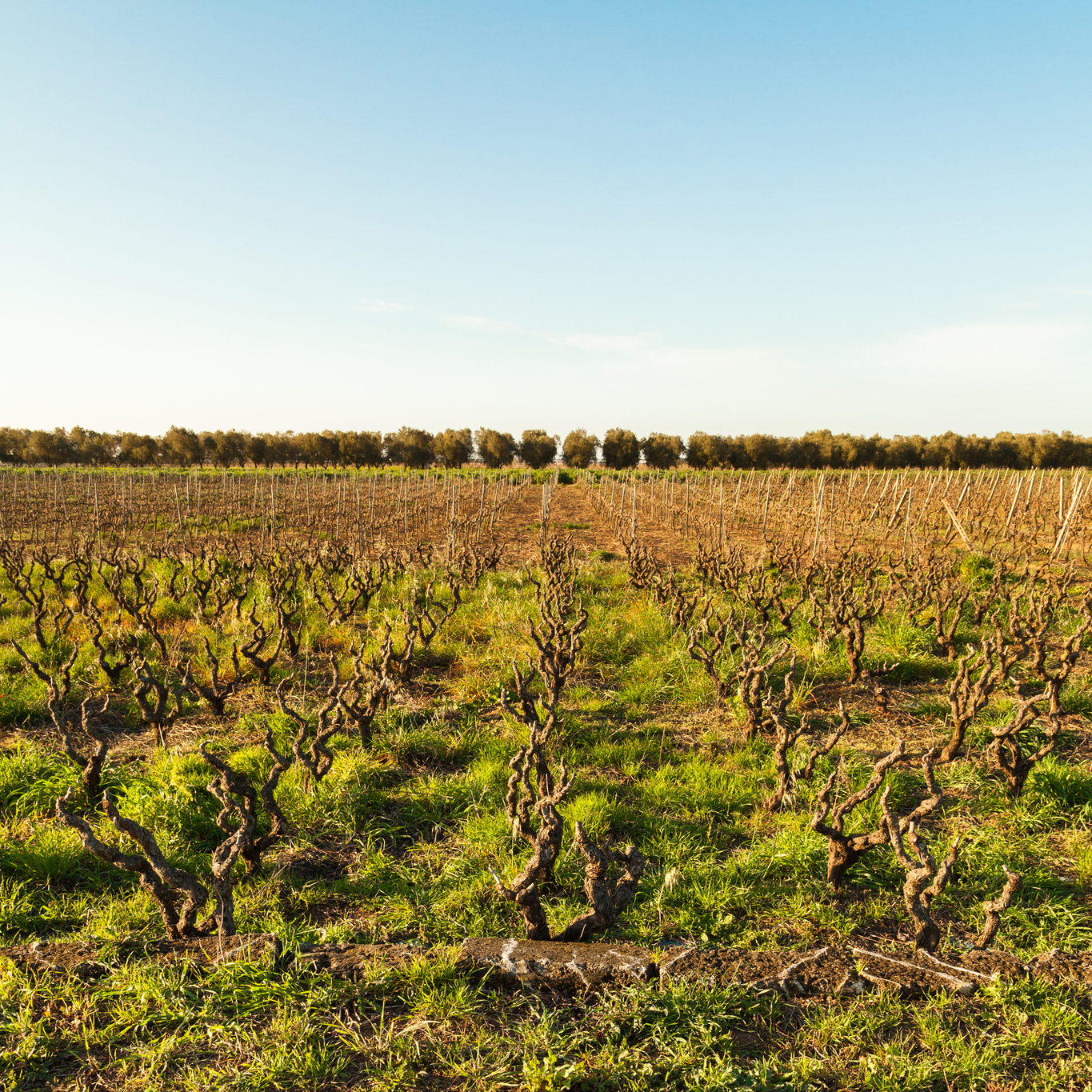
Puglian wine is the product of a diverse landscape. Puglia produces nearly half of Italy’s olive oil in its dry, sun-drenched heat. At the same time, the warm climate and fertile soil make it easy to grow almost anything. Water surrounds on three sides, allowing cool breezes off the Mediterranean to moderate vineyard temperatures.
When it comes to wine, two styles dominate shelves from Puglia: Salice Salentino and Primitivo.
Salice Salentino: The Salice Salentino region takes its name from the town of Salice Salentino, on the Salento Peninsula, which forms the heel of Italy’s ‘boot’. Salice Salentino Rosso is based on Negroamaro, which must account for at least 75% of the blend. Negroamaro bursts with flavors of ripe plum, baked raspberries, and spice cabinet notes, like anise, allspice, and cinnamon.
Negroamaro delivers full body with relatively soft tannins and moderate acidity, backed by bombastic ripe fruit. It’s easy to enjoy alongside meatballs or pizza.

Primitivo: If you’re searching for a richer, fuller-bodied red with abundant weight, look to Puglian Primitivo. Primitivo packs in dark fruit—fresh figs, blueberries, and baked blackberries. There’s a distinct dried fruit-leather character to it as well. The word “Primitivo” means “early ripening,” since these grapes accumulate a lot of sugar early in the season. Because Primitivo ripens early, it produces big, luscious, fruit-filled wines. Primitivo can ripen unevenly within a bunch, however, so harvest may include berries at different stages of ripeness.
Bombino Nero: Beyond the mainstays of Negroamaro and Primitivo, many other local grape varieties are grown. In the area around Castel del Monte, winemakers utilize Bombino Nero to craft rosés and red table wines that burst with fresh, lively fruit. Puglian growers use the Verdeca grape to make aromatic, characterful whites.

Puglia Wine and Food
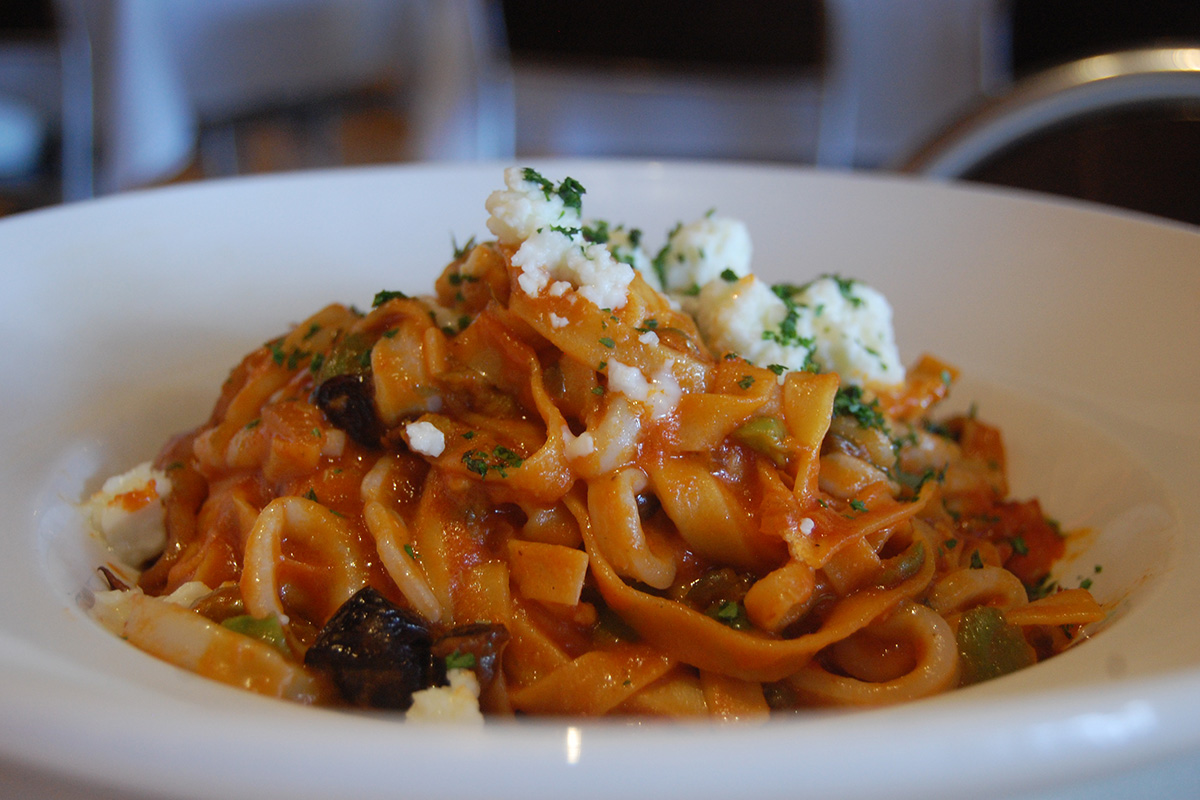
Puglian wines elevate a wide range of foods. A Southern Italian trattoria would be incomplete without regional wines. The fresh elements of Southern Italian cuisine suit bright, easy-drinking reds like the ones from Puglia. The ripe, big flavors of Puglian wine easily complement fresh vegetables, juicy tomatoes, and peppery olive oil.
Puglian cooking makes generous use of vegetables, like fava beans, eggplants, and bell peppers. They find their way into pastas, gratins, and stews. Stuffed aubergines, lamb and pea stew, and orecchiette pasta with turnip greens are a few examples. For people looking to explore summer’s abundance and cook or grill lots of vegetables, Puglian wine is a perfect complement.
Need Inspiration? Try Saveur’s recipe for sun-dried peppers, with bread crumbs, pasta, and olive oil. Pasta con Peperoni di Senise
Primitivo is Zinfandel
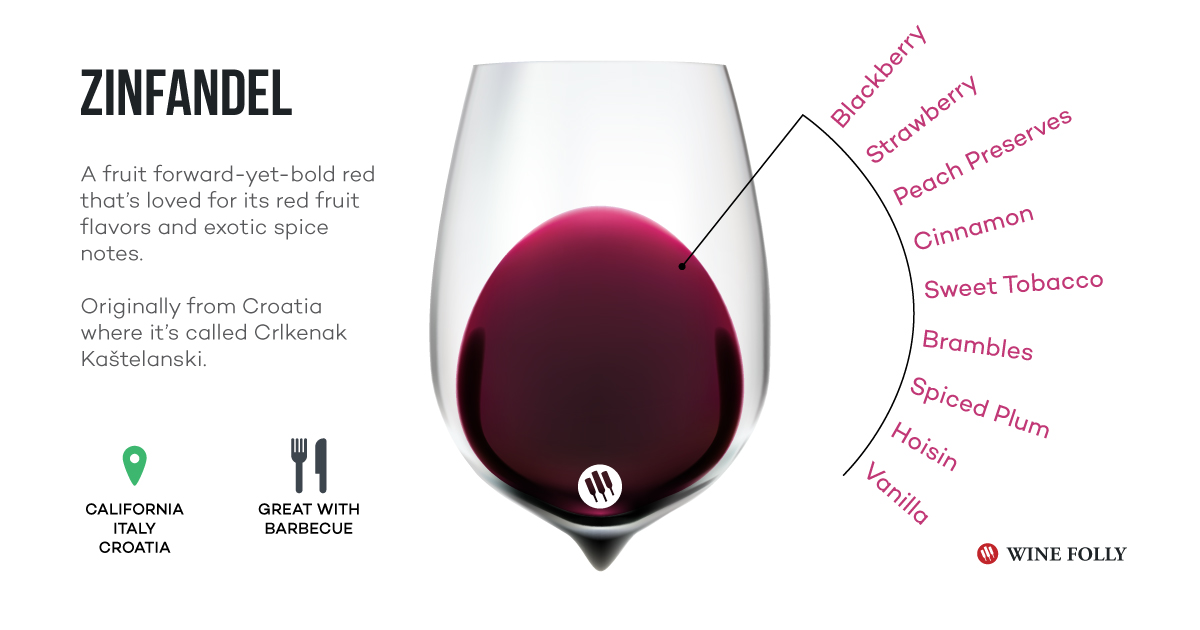
Zinfandel and Primitivo are genetically identical to the Croatian grape Tribidrag (or Crlenak Kaštelanski, pronounced “Kjell-nak Cas-tell-lansky”), pointing to Croatia as the variety’s likely origin. At some point in history, it was brought across the Adriatic Sea and planted in Puglia.
Zinfandel came in California during the Gold Rush, after making its way to the United States from Europe decades earlier. Italian immigrants later had an important role in growing Zinfandel and shaping California’s field-blend tradition.
Few sayings describe Puglian wine better than “wine is bottled sunshine.” When you’re in a hurry at the store and looking for an inexpensive, delicious bottle, Puglia is a great place to turn for wine that delivers plenty of flavor and a little warmth in every glass.