

Also known as: Galopine
Table of Contents
Primary Flavors
- Tangerine
- Peach
- Mango
- Honeysuckle
- Rose
Taste Profile
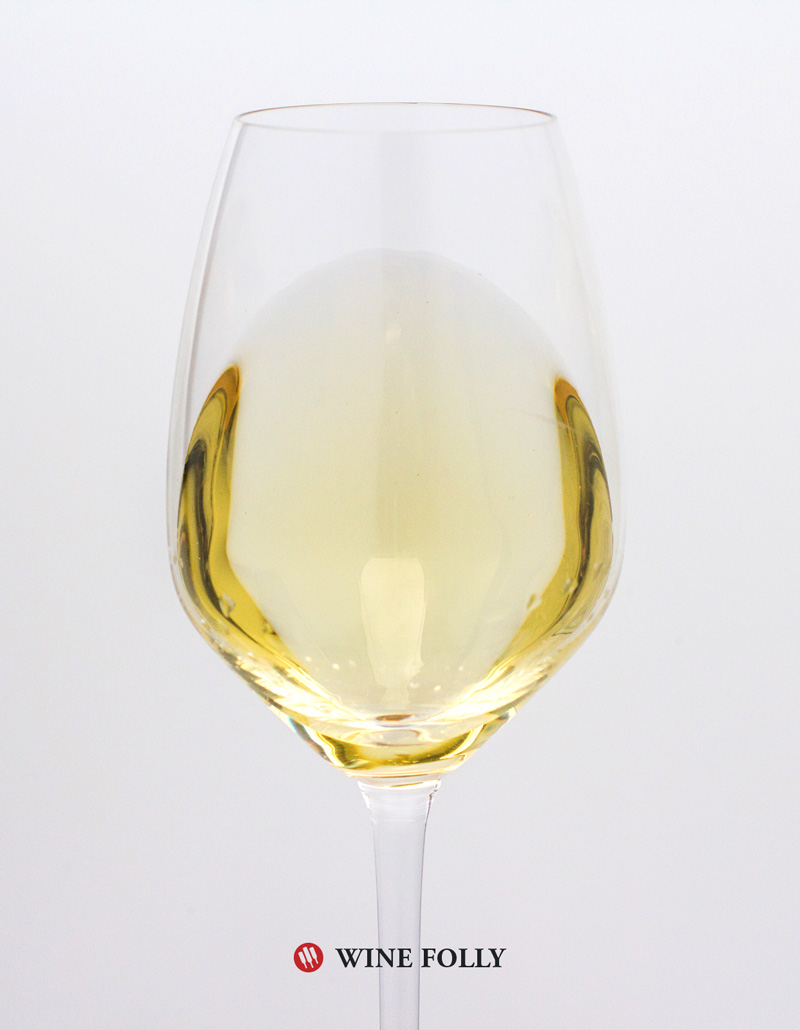
On the nose, Viognier is a very aromatic wine with rich aromas of tangerine, mango, honeysuckle, rose, and peach. Oak-aged versions often show subtle vanilla and smoke aromas.
On the palate, Viognier is often full-bodied with a characteristically oily texture. If you like full-bodied Chardonnay, you’ll probably appreciate Viognier. Despite its sweet aroma, it’s typically dry.
How to Serve Viognier Wine
Serve Viognier chilled in a white wine glass. Decanting is rarely necessary because Viognier already expresses strong aromatics. A white wine glass will funnel those intense aromas directly into your nose.
SERVE
45–55°F / 7-12°C
GLASS TYPE
White
DECANT
No
CELLAR
3-5 Years
Viognier Food Pairing
A wine best paired with delicate meats or scallops that are flavored with stewed fruit, almonds, citrus, or aromatic
herbs (such as Thai basil or tarragon).
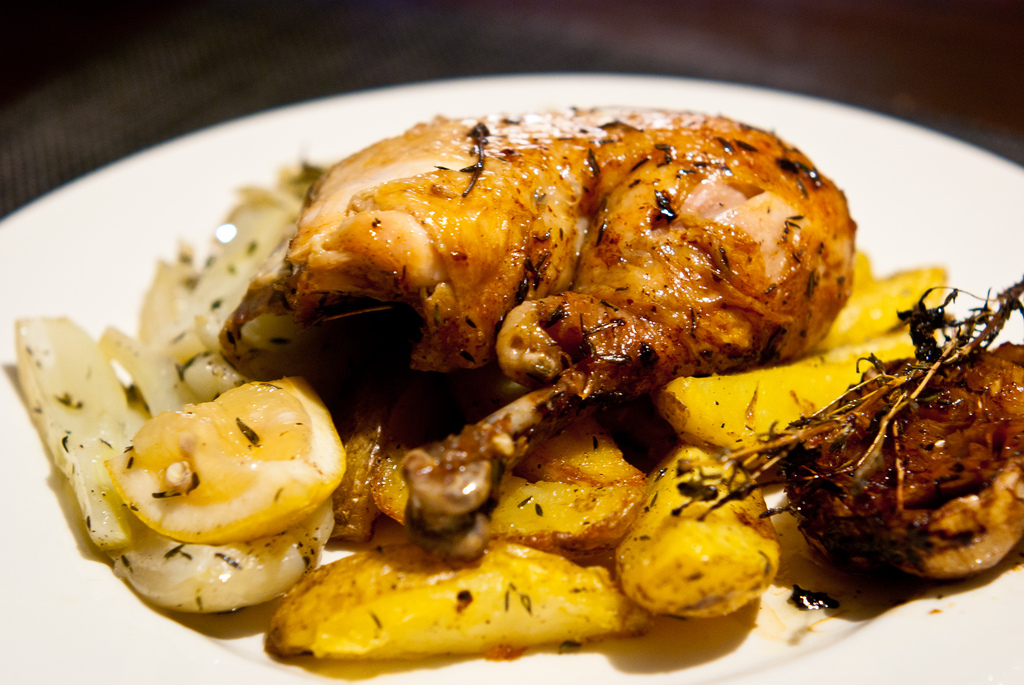
Try chicken tagine with apricots and almonds served over saffron rice. The dish’s sweet spices and fruit amplify Viognier’s ripe fruit and creamy texture.
5 Fun Facts About Viognier
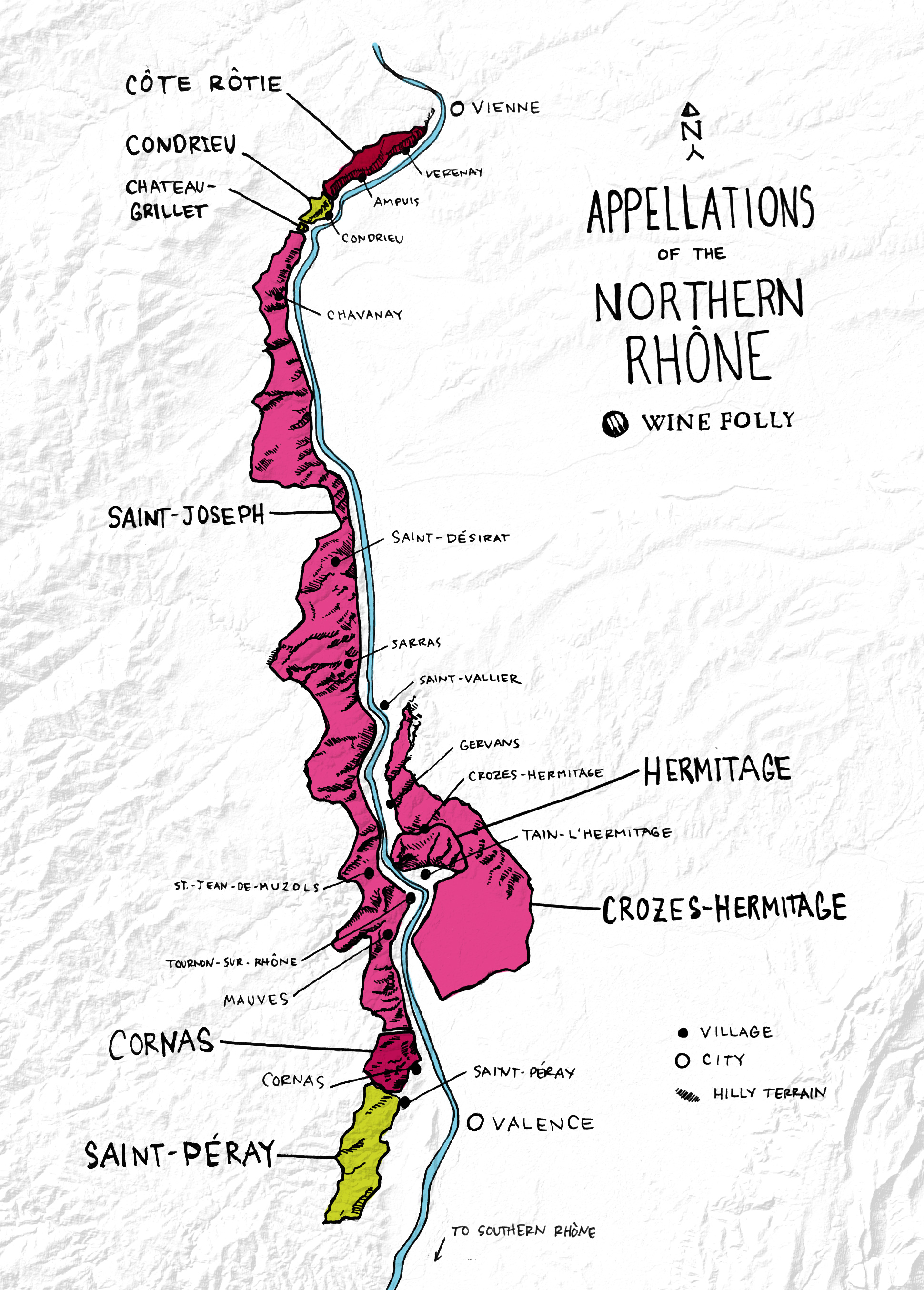
- Viognier originates from the Northern Rhône Valley of France.
- France is one of the largest producers of Viognier in the world.
- It’s often blended with Syrah to add complexity and stabilize Syrah’s color.
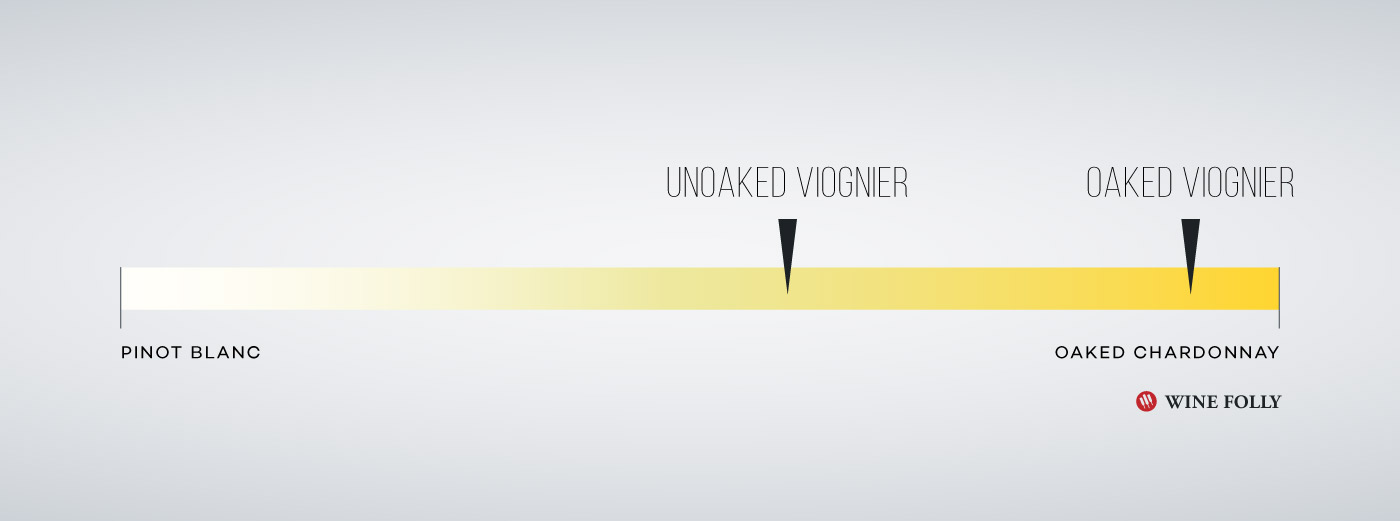
- Viognier can be crafted into a wide range of styles, from light to full-bodied.
- Viognier has low yields and is challenging to cultivate. In fact, it nearly disappeared in the 1960s, when fewer than 30 acres remained planted in Condrieu.
Where It Grows
With almost 40,000 acres planted worldwide, Viognier remains a moderately planted but globally distributed grape. You’ll find most vineyards in France, the USA, and Italy.
- France: 21,802 acres (8,823 hectares)
- Italy: 4,514 acres (1,827 hectares)
- USA: 3,659 acres (1,481 hectares)
- Chile: 2,073 acres (839 hectares)
- South Africa: 2,031 acres (822 hectares)
- Argentina: 1,910 acres (773 hectares)
- Australia: 1,860 acres (753 hectares)
- Others: 1,840 acres (745 hectares)
Total Vineyard Area – 39,692 acres (16,063 hectares) (Source: University of Adelaide, 2021)
France
What to expect: Full-bodied, oily, and viscous with ripe peach and floral notes and subtle toast and vanilla aromas from oak.
Viognier in France is primarily found in the Northern Rhône, specifically in Condrieu, where wines from this appellation must be 100% Viognier. However, elsewhere in the Northern Rhône, it can be blended, mainly with Syrah. In Côte-Rôtie, a red wine appellation, up to 20% of Viognier may be included as it helps stabilize Syrah’s color and adds a floral aroma.
There is another appellation in the Northern Rhône that exclusively produces 100% Viognier wines. This tiny appellation consists of just one producer, Château-Grillet (owned by the Neyret-Gachet family), which releases only 10,000 bottles each year.
United States
What to expect: U.S. producers craft Viognier in several styles, ranging from rich, oak-aged expressions to leaner, mineral-driven wines with brighter acidity.
In the United States, several regions have begun to specialize in Viognier. Virginia and Paso Robles both have excellent examples. Some producers model their wines after the rich, full-bodied style of Condrieu AOC. You can also find leaner, unoaked styles that focus on the fruit and aromatic purity of the grape.
The vast majority of Viognier wines produced in the United States are dry.
In-Depth Knowledge
Viognier can be challenging to grow and vinify, requiring careful vineyard and cellar management to achieve balance.
For instance, the grape thrives in hot and dry climates and requires growers to carefully manage canopy growth and yields to maintain concentration and balance.
The grape is also disease-sensitive, requiring attentive vineyard management.
Winemaker’s Secrets to Viognier
Winemakers often use oak barrels for aging Viognier to enhance its complexity and add vanilla, caramel, and toasty flavors to the wine. Fermentation temperature strongly influences Viognier’s aromatic intensity. The ideal temperature range for fermentation is 16 to 22°C, which helps preserve the grape’s fruity and floral flavors.
Additionally, extended skin contact and lees stirring during the winemaking process can add aromatics, complexity, and richness to the wine.
Why Is Viognier So Aromatic?
Viognier’s signature floral aroma comes from high concentrations of terpene compounds. The primary chemical compounds responsible for these aromas are terpenes and esters.
Terpenes are found in the grape skins and contribute to the floral aromas, including:
- linalool
- geraniol
- nerol
Esters, which are formed during fermentation, are responsible for the fruity aromas and include:
- ethyl hexanoate
- ethyl octanoate
- ethyl decanoate
Other compounds, such as β-damascenone and 1,1,6-trimethyl-1,2-dihydronaphthalene, also further deepen the wine’s layered aromatics.