

Hawke’s Bay may be New Zealand’s most complete wine region, producing everything from powerful Bordeaux blends to elegant coastal Chardonnay. Jump into this Hawke’s Bay Wine Guide and discover a new favorite wine region.

Hawke’s Bay Wine Guide
While New Zealand is known for zingy Sauvignon Blanc and pristine Pinot Noir, this South Pacific nation also produces rich Bordeaux blends, earthy Syrah, and ripe Chardonnay. Much of this diversity comes from Hawke’s Bay, a warm, maritime region on the North Island’s east coast.
Here are the key wines and subregions that define Hawke’s Bay.
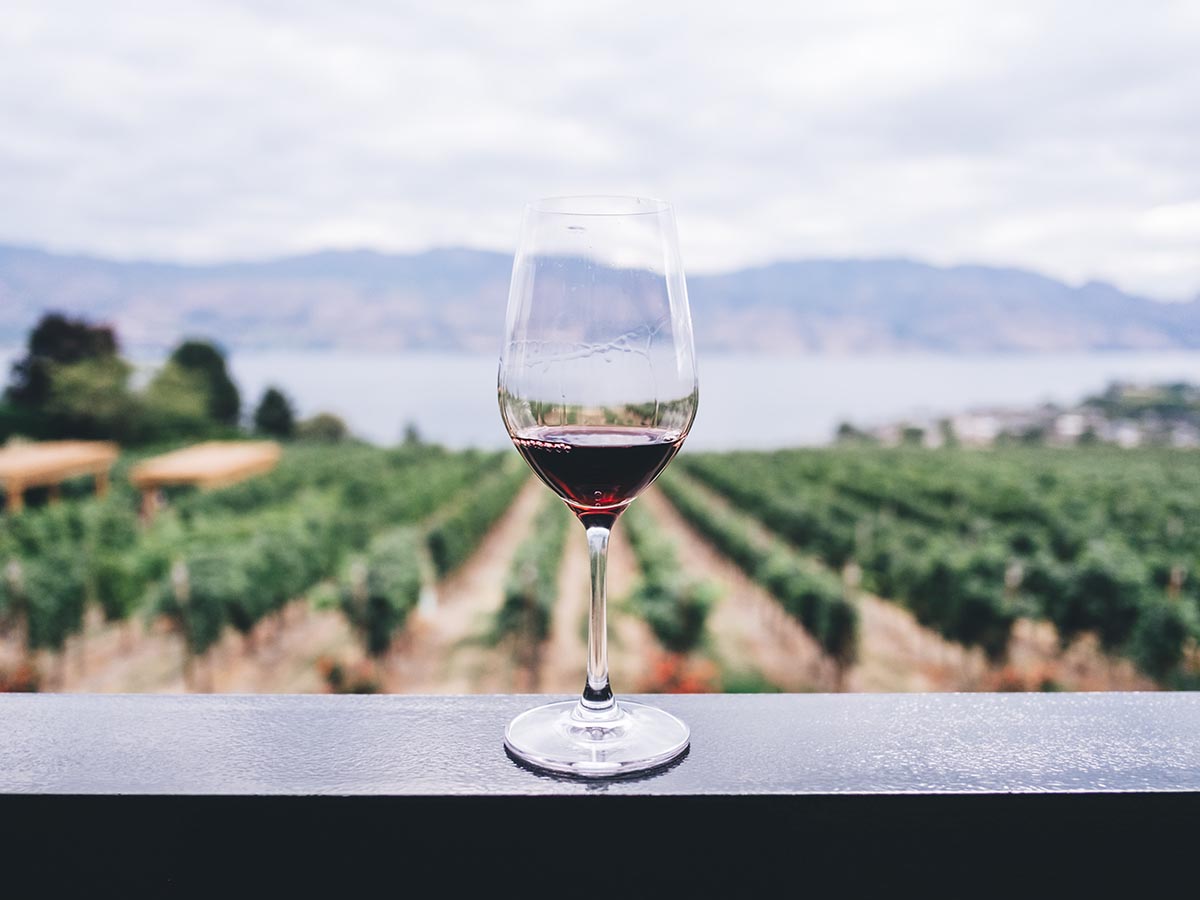
Hawke’s Bay Red Wines
Bordeaux Varieties and Blends
Cabernet Sauvignon–Merlot blends have long defined Hawke’s Bay’s red wine identity. Expect ripe blackberry and plum, subtle herbal notes like sage, and firm, dusty tannins. With balance, they can get ‘big’ without being overblown.
A maritime climate and gravelly soils produce concentrated fruit with fresh acidity. Growers balance Cabernet’s structure with Merlot’s softer fruit. Firm tannins and lifted fragrance keep these wines, unlike those from warmer climates, fresh, elegant, and vivacious. Strong vintages often age 10–20 years.
Many blends lean Merlot-dominant, echoing Bordeaux’s Right Bank, with dark, spicy Malbec, red-fruited Cabernet Franc, and pungent Petit Verdot for complexity. Single varietal wines showing understated Kiwi class are also produced.
Syrah
Hawke’s Bay produces some of New Zealand’s most compelling cool-climate Syrah. Expect white pepper, violet, licorice, and dark berry aromas.
Higher acidity gives a fresher, tangier impression of red and dark fruits than Syrah from warmer regions of California or inland Chile. Winemakers favor French oak for subtle spice and smoke rather than the stronger vanilla notes of American oak.
Hawke’s Bay Syrah is often compared to Northern Rhône wines, the varietal’s spiritual home. It differs sharply from its antipodean neighbor, Shiraz, justifying its separate name.
Good examples from Hawke’s Bay follow the lead of the French in Hermitage or Côte-Rôtie, showcasing layers of dark berries, black currant, Morello cherry, coffee, milk chocolate, and exotic spices like nutmeg, cardamom, and juniper. Maritime influence preserves acidity, while tannins are typically fine-grained or powdery.

Hawke’s Bay White Wines
Chardonnay
Hawke’s Bay Chardonnay often shows richness, balanced by bright acidity and mineral structure. As the region’s flagship white, good examples have serious drive and concentration on the palate. Many are medium- to full-bodied with elegant texture.
Pure fruit flavors tend toward peach, nectarine and grapefruit, while barrel-fermented characters suggest cashew and brioche.
The creamy, softening effects of malolactic fermentation are a stylistic decision. Many producers now use less new oak to keep fruit and acidity in focus.
The cooling, ocean influence provides a crisp, acidic spine that keeps the wine focused and energetic, and allows a flinty minerality to shine through. Top subregions grow close to the Pacific coast: Te Awanga, Tukituki Valley, and Esk Valley.
Sauvignon Blanc
Hawke’s Bay Sauvignon Blanc retains New Zealand’s signature lip-smacking zing while displaying more ripe, tropical fruit flavors than cooler Marlborough.
In good examples, you’ll find wide-ranging aromas of yuzu, guava, kaffir lime and white nectarine to passionfruit, pineapple, grapefruit, and gooseberry.
Many producers now experiment with partial barrel fermentation and lees aging. Oak also tames some of Sauvignon Blanc’s notorious acidity, creating a softer, rounder mouthfeel compared to the sharper style typically made in stainless steel tanks.
Hawke’s Bay Subregions
Esk Valley
The northernmost subregion, Esk Valley’s narrow opening to the sea, provides a unique combination of shelter and oceanic influences. The result is a style of deeply coloured, supple reds showcasing ripe blackberry and cherry alongside dried herbs, smoke and licorice.
Subtropical conditions, with mild winters and warm summers, allow grapes to ripen earlier here than in cooler Hawke’s Bay sites, which sit alongside avocado, stonefruit and citrus orchards. Carved by the Esk River, the soil is predominantly alluvial silt with pockets of silty gravels.
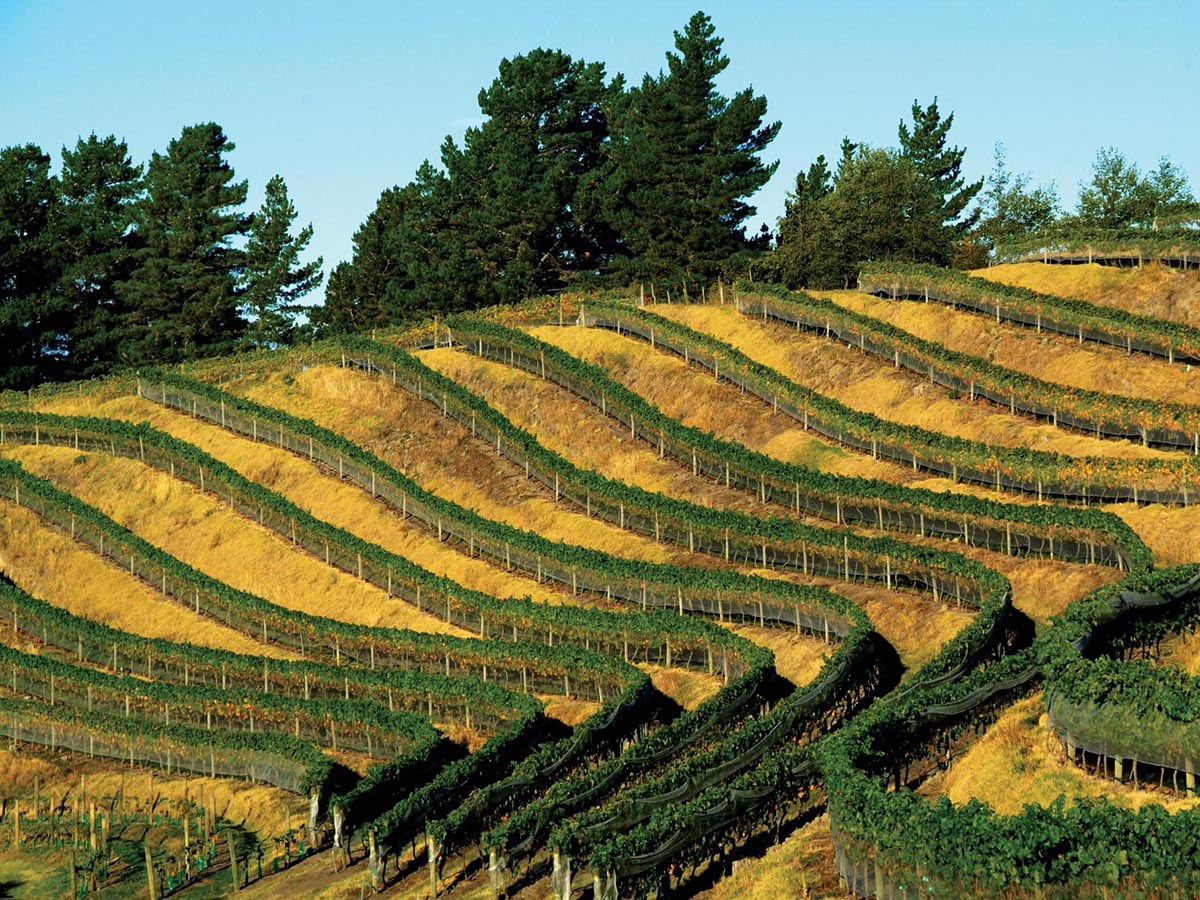
Esk Valley’s unique terrace vineyard, planted on a steep limestone hillside, is home to a collection of broad-shouldered, complex whites that reflect the mineral-rich soils and inherent warmth of the district.
Up valley, some boutique producers are growing vibrant Chenin Blanc, Viognier, Riesling, and Pinot Gris.
Gimblett Gravels
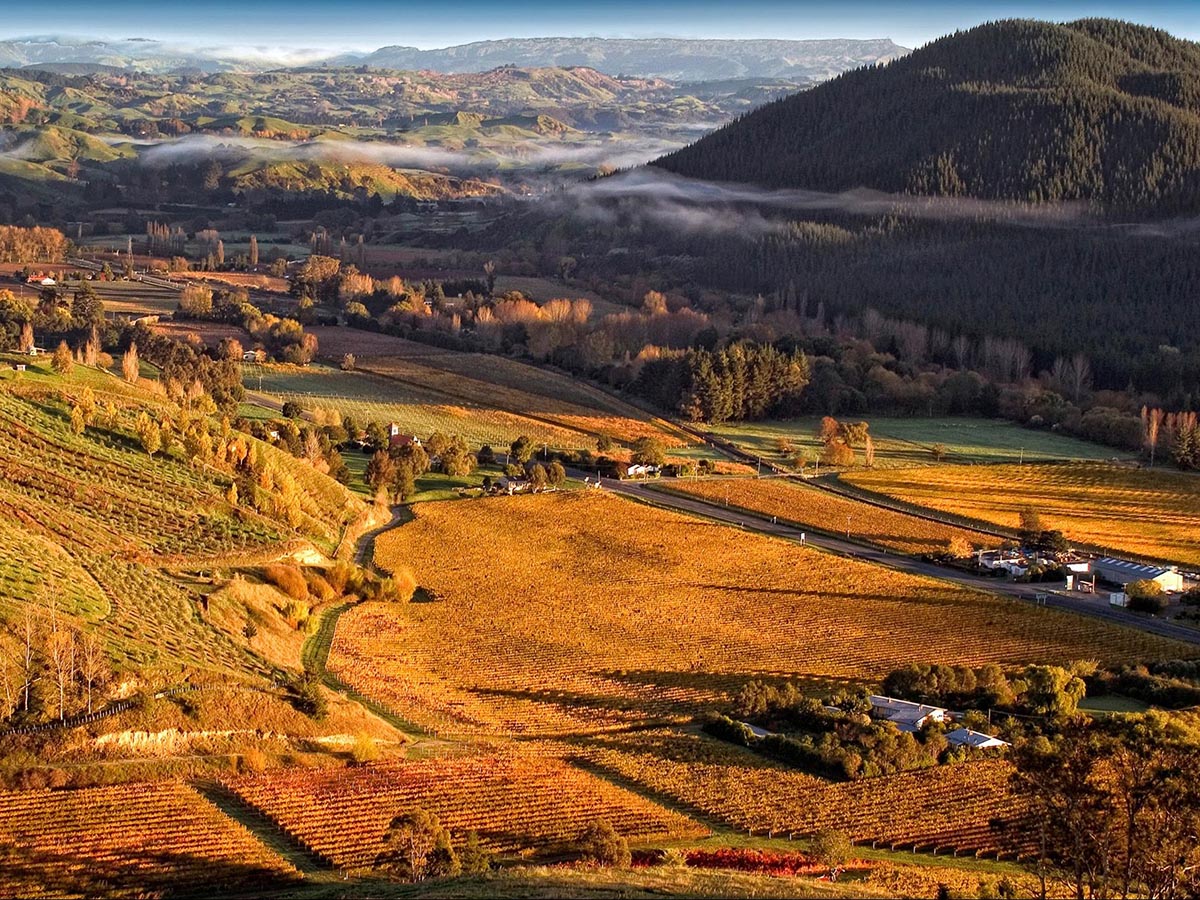
Often considered the region’s premier growing area, where world-class Bordeaux blends, Syrah, and Chardonnay spring from “the gravels”. The wines are bold, concentrated and supremely balanced thanks to ideal growing conditions.
Located fifteen kilometres from the Pacific, Gimblett Gravels isn’t subject to the cooling sea breezes that are a defining feature of other Hawke’s Bay subregions.
The air and soil temperatures tend to show greater variation due to the inland position and thermal convection from the river stones. The daytime heat allows for optimal ripening of the grapes while the nighttime cooling preserves acidity and flavor.
Beyond a thin layer of sandy topsoil, the river gravel goes down as far as a vine can reach for moisture, minerals and nutrients.
Free-draining gravel soils help limit vine vigor and promote concentrated fruit and firm tannins. These wines are at once earthy and rustic, pretty and polished.
Bridge Pa Triangle
Bridge Pa Triangle produces powerful, structured wines from Bordeaux varieties and Syrah, as well as Chardonnay and Viognier.
Adjacent to Gimblett Gravels, this subregion was also formed over thousands of years of the Ngaruroro River changing course.
Sheltered by mountains from the prevailing westerly weather, it’s far enough inland to miss the sea breeze. Free-draining river gravels, locally known as “red metals,” overlaid by loess, volcanic ash, and greywacke, make for glorious, seductive reds and rich, resplendent whites.
Te Awanga
Classy Chardonnay and fragrant, early-ripening reds like Cabernet Franc grow close to the coast. Although a maritime influence extends throughout Hawke’s Bay, Te Awanga displays the most dramatic effects of the temperate coastal climate and long growing season. Consequently, the wines often exhibit crisp acidity and subtle saline minerality.
Hawke’s Bay is arguably New Zealand’s most complete wine region. Altogether, from Te Awanga Chardonnay to the Bordeaux blends of Gimblett Gravels and Bridge Pa, to Esk Valley Syrah, Crownthorpe Sauvignon Blanc, and inspired aromatics, Hawke’s Bay demonstrates remarkable versatility. There’s little Hawke’s Bay can’t do.