

Here are 12 facts that will completely change the way you think about red wine.
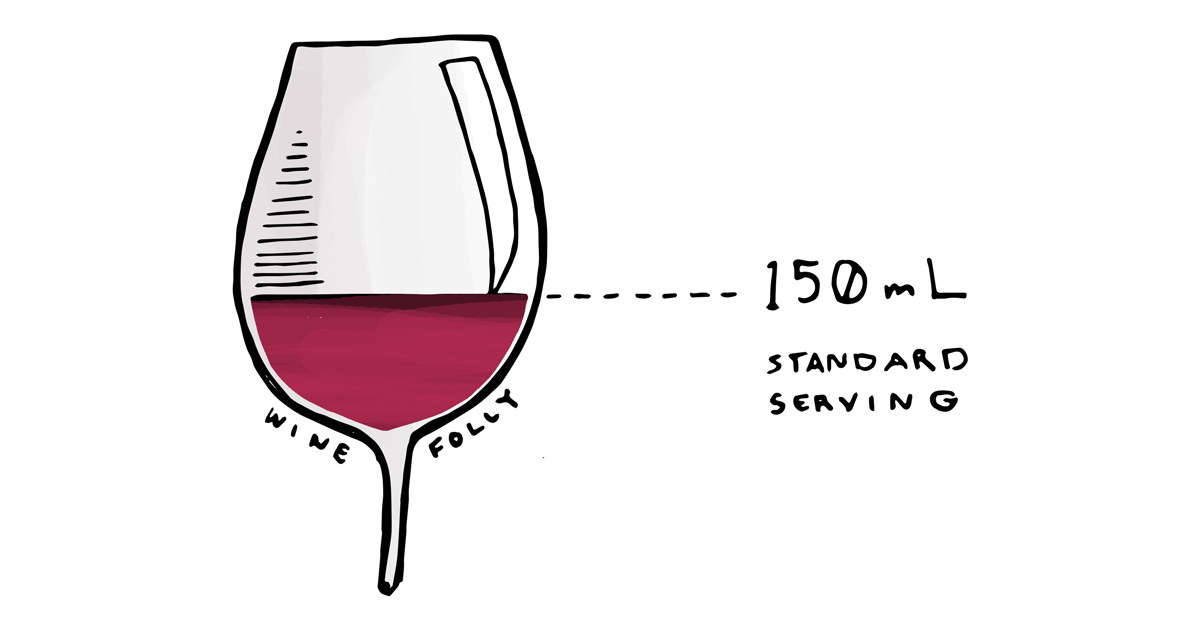
1. Drinking red wine in small doses may lower some health risks.
Studies show that light alcohol intake (1–5 drinks/week) is associated with the lowest combined risk of death and cancer compared with heavier drinking or abstention.
Moderate wine drinkers also appear to have a lower cancer risk than consumers of other alcoholic beverages, possibly due to polyphenols. Benefits disappear the more you drink; so moderation is key.

2. Red wine’s health benefits come from tannin.
Pretty much everything in wine that’s not alcohol or water is a type of polyphenol. Polyphenols include tannin, color pigment, wine aromas, resveratrol, and about 5,000 other plant compounds.
Of these polyphenols, the most abundant in wine for health reasons are Procyanidins, which are a type of condensed tannin also found in green tea and dark chocolate. This compound specifically inhibits cholesterol plaque in blood vessels, which is highly beneficial for heart health and longevity.
3. Some red wines are better for you than others.
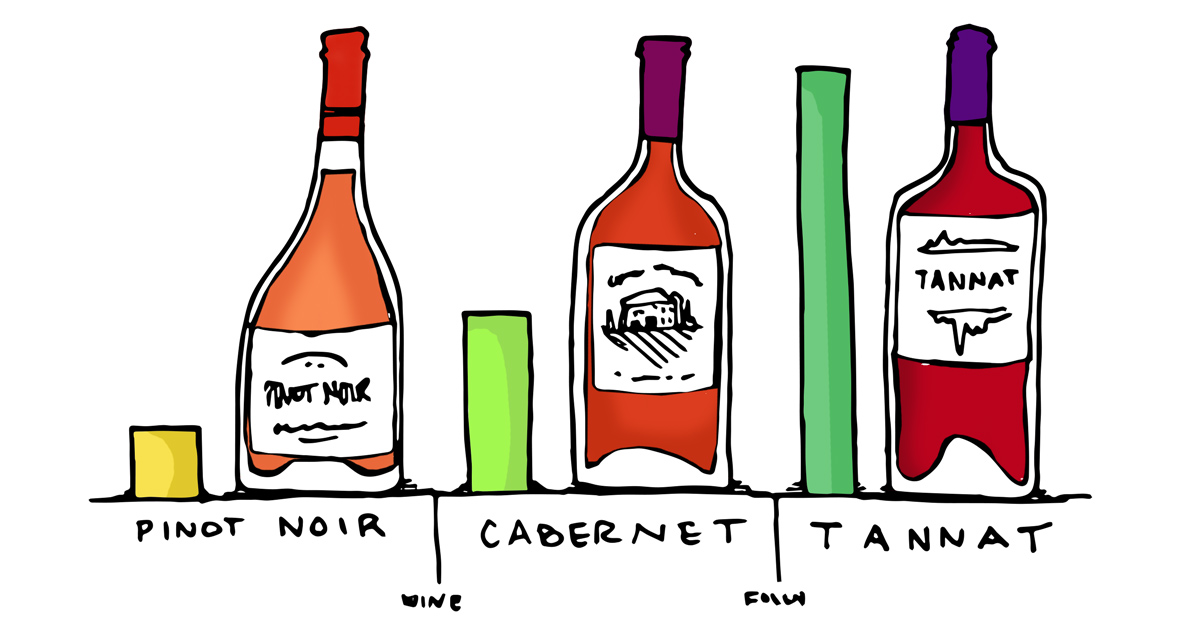
Not all red wines are the same. Some wines have significantly higher levels of “good for you stuff” than others (condensed tannins–see above). For example, Cabernet Sauvignon has more condensed tannins than Pinot Noir, but both wines have much less than Tannat, Petite Sirah, or Sagrantino. While it’s rather difficult to determine which wines are best, here are some clues:
- Dry red wines are better than sweet wines.
- Red wines with lower alcohol (preferably below 13% ABV) are better than high alcohol wines
- Red wines with higher tannin (those that are more astringent) are better than low tannin wines.
4. Young red wines are better for you than old red wines.
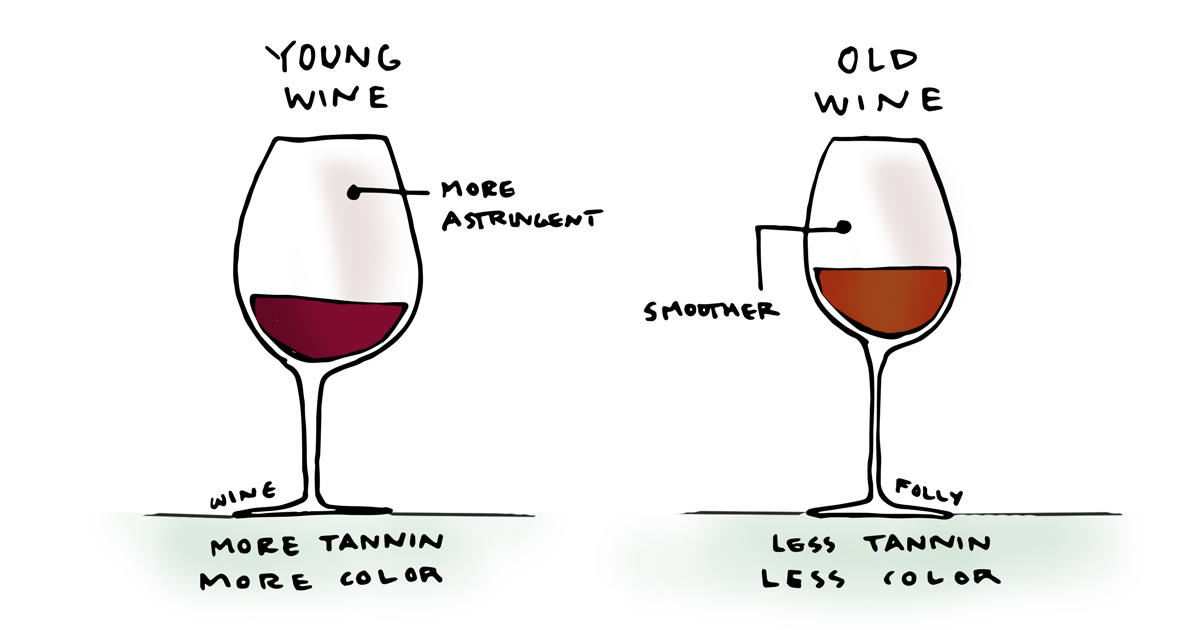
We’ve been told for years that old wines are the best wines. Some wines taste better when well-aged, but when it comes to the health aspects of wine, old wine isn’t as good! Young red wines contain higher tannin levels than any other type of wine.
5. The color in red wine comes from the grape skins.
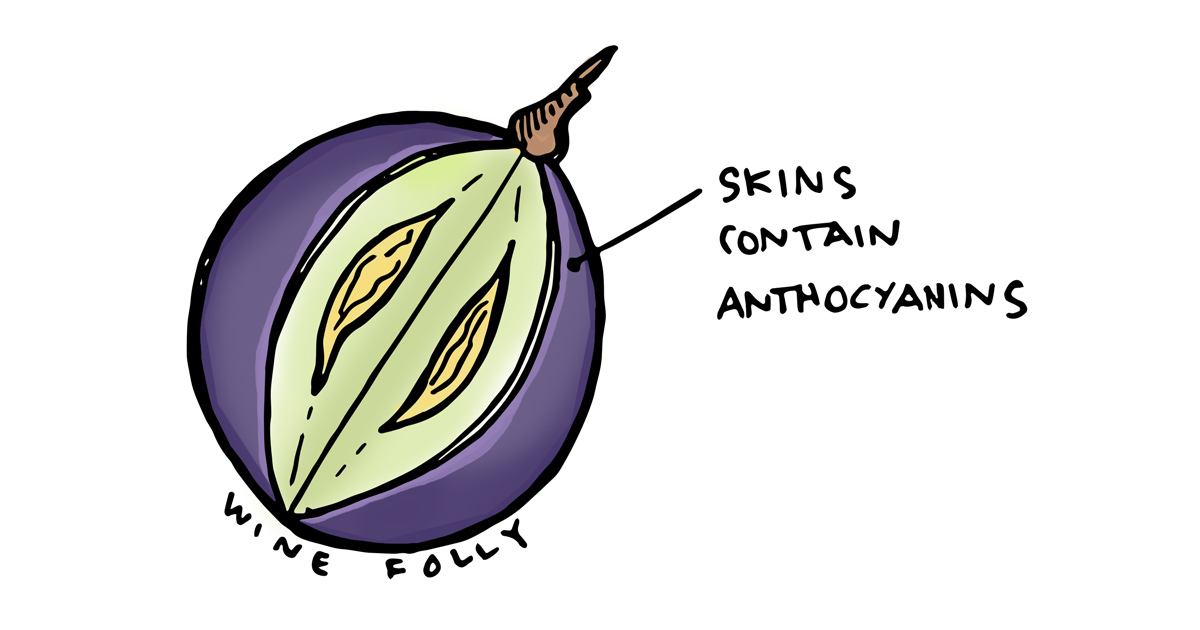
The color in wine comes from a plant pigment called anthocyanin, found in the skins of red grapes.
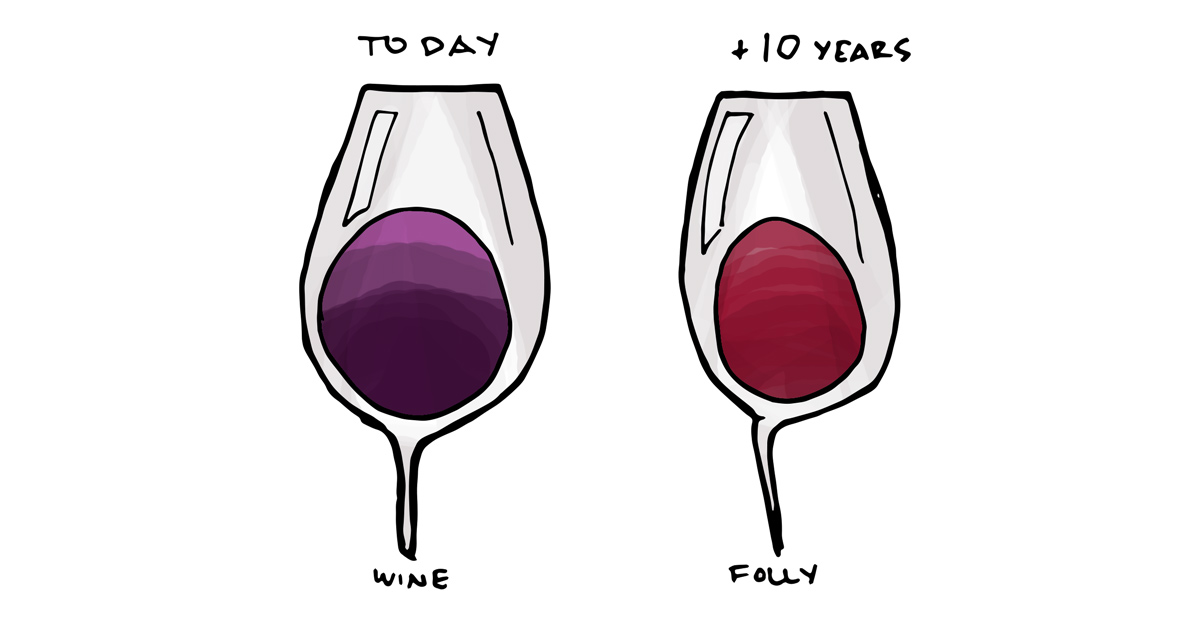
6. As red wines age, they become lighter in color.
The color becomes less intense as wine ages. Very old wines are pale and translucent in color.
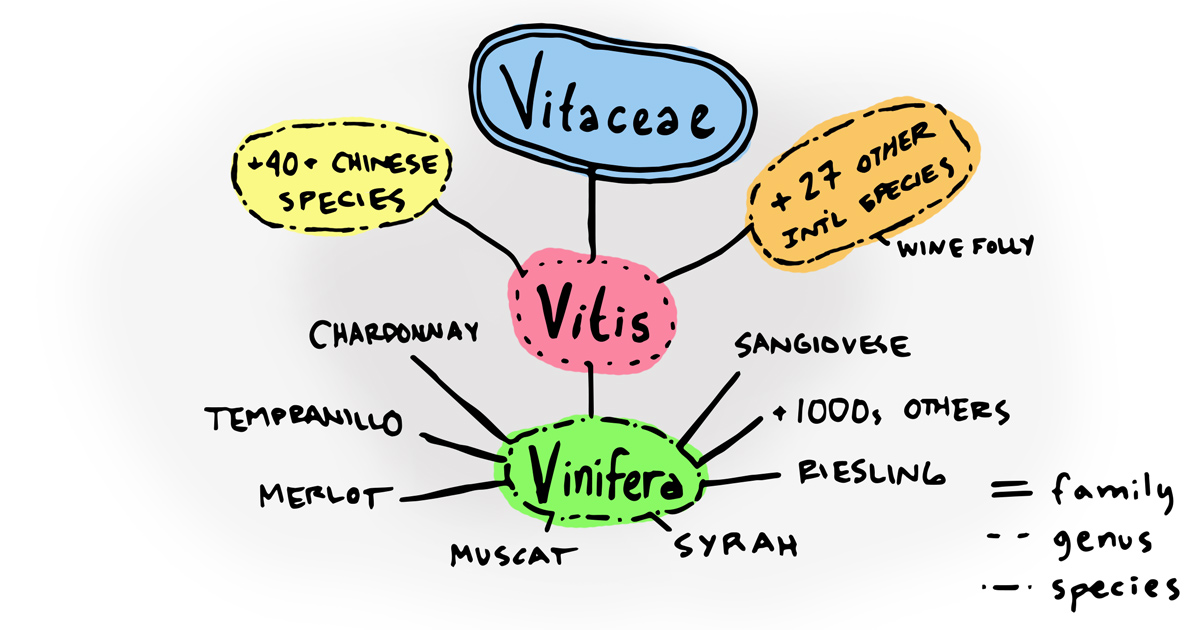
7. Nearly all red wines come from one species of grape.
All of the most common red wines, including Cabernet Sauvignon, Syrah, Merlot, and Pinot Noir, are just one species of grape: Vitis vinifera. There are certainly other species used for wine (there are some 65-70 Vitis species), albeit rarely. Vitis vinifera is commonly considered the wine grape species. And, get this, Vitis vinifera didn’t originate in France. It came from the Caucasus region (modern Georgia, Armenia, Azerbaijan)!
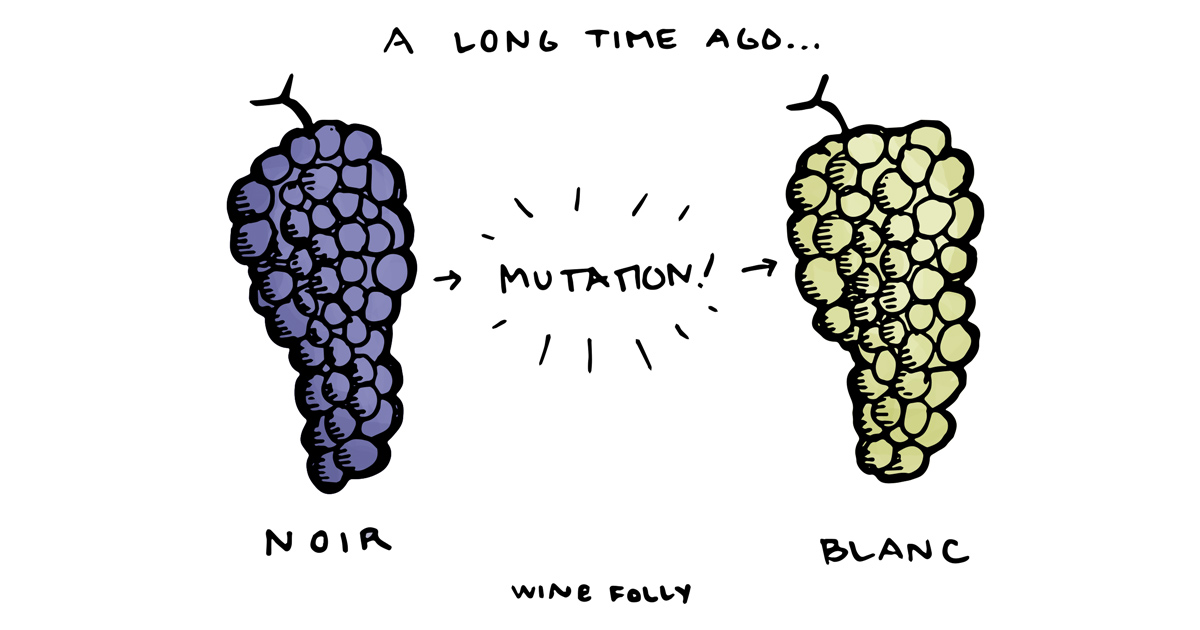
8. Red grapes are older than white wine grapes.
The yellow and green-colored grapes that produce white wines are thought to have originated from a DNA mutation of red grapevines. This is a pretty convincing hypothesis since Pinot Noir and Pinot Blanc share the same DNA.

9. Red wines commonly contain less sulfites than white wines.
In general, sulfite levels in red wines are lower than white wines. This is because red wines tend to be more chemically stable than white wines and degrade more slowly.

10. Red wines age longer than white wines.
Red wines contain color and tannin, which, generally speaking, help preserve them for greater lengths than white wines. People often call these traits in wine “structure” and use their presence as an indicator of how long a wine will age.
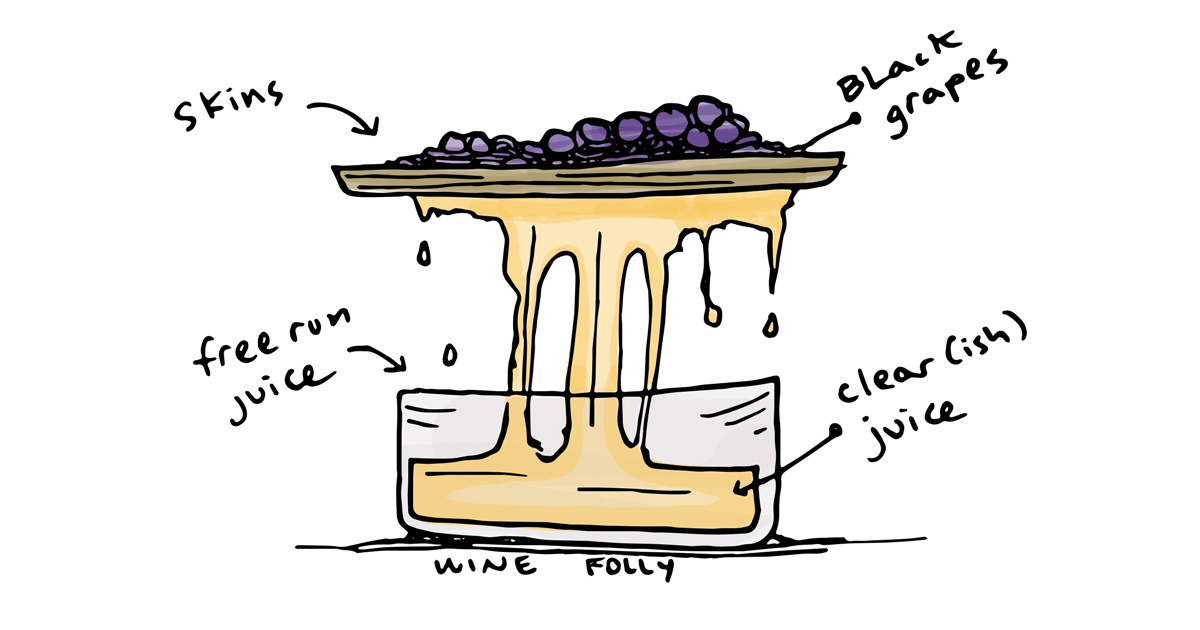
11. Red wine grapes can be made into white wine.
Because the color comes from grape skins (and not the juice), it’s possible to make a white wine out of red grapes. The wine is made like white wine, without contact with the grape skins. This happens more than you might imagine. For example, a Blanc de Noirs Champagne is a white sparkling wine made with Pinot Noir and Pinot Meunier (red) grapes.
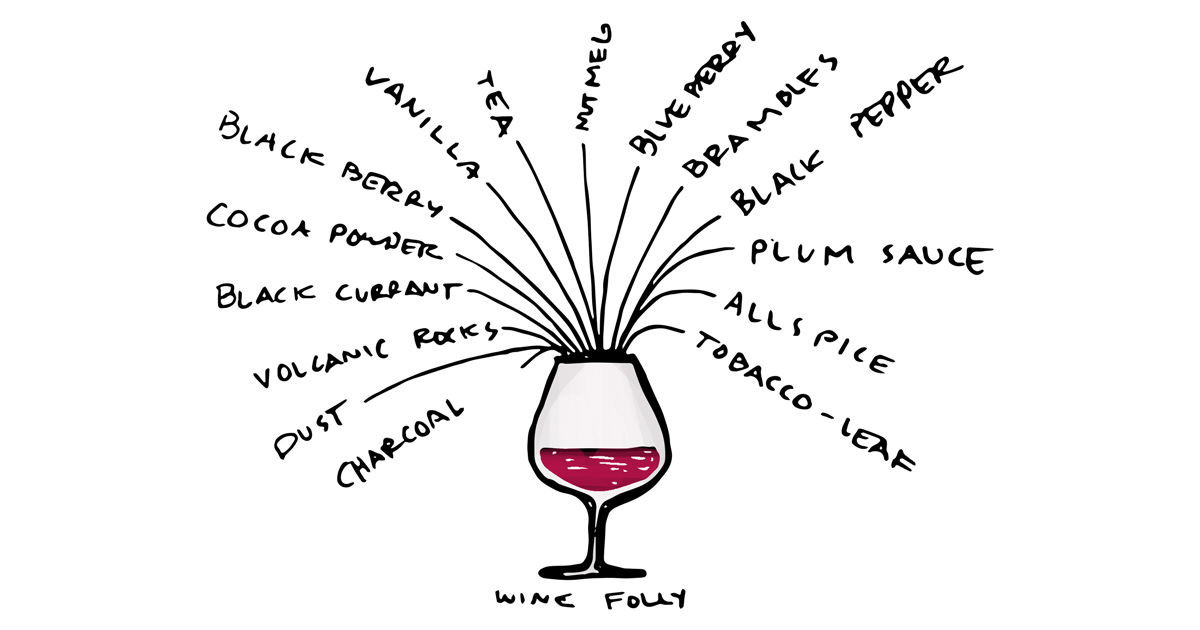
12. Hundreds of aromas found in red wine come from just grapes.
All those aromas of cherry, berry, jam, and herbs found in a glass of red wine are derived from nothing more than fermented grapes and the aging wine in oak barrels. There are no flavor additives.